
Denver Flood Damage Restoration requires swift action within 24-48 hours to minimize property loss. Key steps include professional water removal using high-pressure pumps, advanced humidity control for drying, and biohazard cleanup of contaminated floodwaters. Prompt action prevents mold growth, secondary damage, and health risks. Specialized equipment, expertise, and decontamination ensure effective restoration, offering affordable solutions through reputable Denver Flood Damage Restoration services.
In the face of sudden and severe weather events, Denver residents often find themselves grappling with the devastating aftermath of floods. The impact of these natural disasters extends far beyond initial damage, requiring specialized expertise for efficient recovery. This is where Denver Flood Damage Restoration services step in as a beacon of hope, offering affordable and reliable solutions tailored to navigate the complexities of flood cleanup.
Our team of seasoned professionals understands the urgency and sensitivity involved in such situations, employing advanced techniques and state-of-the-art equipment to restore properties to their pre-flood condition. With a proven track record of success, we ensure that residents can rebuild their lives with minimal disruption and financial strain.
- Denver Flood Cleanup: Immediate Steps After Disaster
- Reliable Services: Restoring Denver Homes and Businesses
- Affordable Solutions for Efficient Denver Flood Damage Restoration
Denver Flood Cleanup: Immediate Steps After Disaster
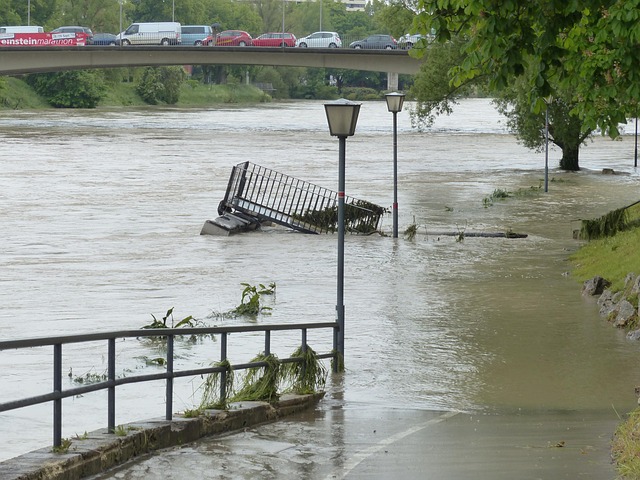
After a flood strikes Denver, immediate action is crucial for both property preservation and public health. The first 24 to 48 hours are a race against time in Denver flood damage restoration. Water removal from carpeting and other affected areas must begin swiftly to prevent mold growth and secondary damage. Homeowners should never attempt biohazard cleanup Denver alone; professional services equipped with specialized equipment for water extraction are essential. For instance, high-pressure pumps can efficiently remove standing water from hard surfaces and carpets, minimizing drying time.
Once the initial water removal is complete, understanding how to dry out a flooded home becomes paramount. Proper humidity control and temperature regulation are key to Denver flood damage restoration. Professional teams employ advanced dehumidifiers and air movers to expedite drying processes, ensuring structures like wood, drywall, and insulation remain intact. For example, a study by the Insurance Institute for Business & Home Safety found that homes left wet for over 48 hours after a flood were at higher risk of structural failure and mold development.
Beyond water removal and drying, biohazard cleanup Denver is another critical aspect. Floodwaters can carry contaminants from various sources, including sewage and chemicals. Professional teams are trained to handle these hazardous materials safely, utilizing personal protective equipment (PPE) and following strict protocols for disposal. This step is vital to protect both residents and responders from potential health risks associated with flooded environments. Regular data from the Centers for Disease Control and Prevention (CDC) highlights the increased risk of diseases like mold toxicosis and bacterial infections in the aftermath of natural disasters, emphasizing the importance of professional biohazard cleanup services.
Reliable Services: Restoring Denver Homes and Businesses

Denver residents face unique challenges when it comes to weather-related disasters, particularly flooding. Rapid response is crucial for minimizing damage and ensuring a swift return to normalcy. That’s where Denver flood cleanup services come into play, offering affordable and reliable solutions for restoring homes and businesses affected by water intrusion.
Expert Denver Flood Damage Restoration involves more than simply removing water; it requires meticulous attention to detail and specialized equipment. Professional technicians begin with a thorough assessment to identify the extent of the damage, pinpointing affected areas and assessing structural integrity. This initial step is vital as it guides the restoration process, ensuring every aspect of the property receives appropriate care. For instance, a flooded kitchen may require not just water extraction but also decontamination, dehumidification, and expert cleaning to prevent mold growth and ensure food safety.
Reliable Denver flood cleanup services go beyond immediate disaster response. They offer valuable guidance on preventing future flood damage. Homeowners can take proactive measures like installing water barriers, sealing entry points, and ensuring proper drainage systems. Businesses can invest in commercial-grade dewatering equipment and employ staff trained in rapid response protocols. By integrating these practices into their emergency plans, Denver residents can mitigate the devastating impacts of flooding, minimizing disruption and financial loss. Data from local authorities highlights that prompt action within 48 hours of a flood event significantly reduces restoration costs and enhances property preservation.
Affordable Solutions for Efficient Denver Flood Damage Restoration

When Denver is hit by a flood—whether from sudden storms, rapid snowmelt, or river overflows—residents face a daunting task in restoring their homes and properties. Among the critical steps in this process is Denver flood damage restoration, which requires expert handling to mitigate further loss and ensure a safe living environment. Fortunately, affordable solutions for efficient Denver flood damage restoration are readily available from professional disaster cleanup and restoration services.
These companies specialize in water removal from carpet Denver and other structural elements, offering advanced equipment and techniques to swiftly extract standing water. Quick action is crucial; according to industry data, the longer water sits, the higher the risk of mold growth and secondary damage to personal belongings and infrastructure. Professional restorers understand this urgency and prioritize efficient water extraction as the first step in the restoration process. For instance, using high-powered pumps and advanced drying technologies, they can significantly reduce moisture levels within hours, preventing long-term issues.
Beyond water removal, Denver flood damage restoration involves a multi-step approach to restore homes to their pre-flood condition. This includes meticulous cleaning, sanitizing, and decontaminating affected areas, especially in cases where sewage or contaminated water was involved. Restoration experts also employ specialized techniques for drying out walls, floors, and furnishings, ensuring no residual moisture remains. Restoring after a river flood requires particular care due to the potential presence of harmful bacteria and pathogens; professionals adhere to strict protocols to safeguard both residents and their belongings during this process. By partnering with reputable companies offering these affordable solutions, Denver homeowners can effectively navigate the challenges of flood cleanup, reclaiming their spaces in a timely and cost-effective manner.
The article has comprehensively outlined the critical steps for effective Denver flood damage restoration, emphasizing immediate actions following a disaster and the subsequent recovery process. It underscores the importance of reliable services in restoring homes and businesses, highlighting affordable solutions that streamline the restoration process. Key insights include the need for swift action to mitigate secondary damages, the value of professional expertise in water removal and drying, and the significance of using environmentally safe methods. Homeowners and business owners in Denver now have a clear understanding of how to navigate this challenging situation, ensuring their properties are restored efficiently and cost-effectively. This knowledge empowers them to make informed decisions, knowing that reliable and affordable flood cleanup services are readily available in their community.