

Denver Flood Damage Restoration requires swift professional action to mitigate risks. Assessment, water removal, drying, and decontamination using advanced tools are crucial. Expert services focus on safety, structural integrity, and transparent communication. Root cause analysis addressing drainage, building codes, infrastructure, and community education enhances resilience for future events.
In the face of unpredictable weather patterns, Denver residents increasingly face the challenge of home flood damage. Rapid response is crucial to minimize restoration time and prevent long-term structural issues. Efficient Denver flood damage restoration isn’t just about cleaning; it involves specialized techniques to safely remove contaminated water, dry affected areas, and mitigate mold growth. This article provides an in-depth guide to fast and effective Denver home flood cleanup, empowering homeowners with the knowledge to navigate this critical process swiftly and with confidence.
- Assessing Denver Flood Damage: The First Step
- Water Removal & Drying: Fast Track to Restoration
- Restoring Your Home: Content and Structure
- Preventing Future Floods: Long-Term Solutions
Assessing Denver Flood Damage: The First Step
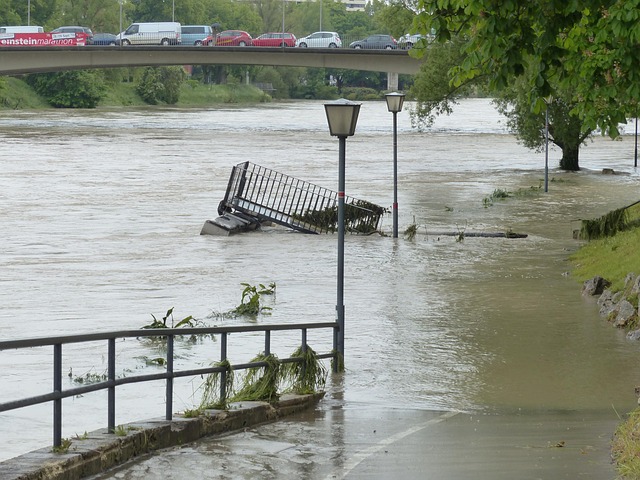
Assessing Denver Flood Damage is a critical initial step in any flood restoration process, especially after the city’s infamous heavy rain events that can quickly transform into devastating floods. Professionals in Denver flood damage restoration know that a thorough assessment helps to understand the extent of water intrusion and the potential for secondary damage like mold growth. This process involves meticulous inspection, documentation, and planning, ensuring a swift and effective restoration.
In the chaotic aftermath of heavy rain floods, it’s easy for homeowners to overlook hidden dangers. For instance, water can infiltrate behind walls or under flooring, remaining undetected until signs of rot or weakened structures appear. Denver flood insurance restoration experts utilize advanced moisture meters and thermal imaging cameras to pinpoint these issues, ensuring every affected area is addressed. They also take note of valuable items and personal belongings, documenting their condition for insurance claims and later restoration efforts.
Drying and repairing flooded spaces promptly (1-3 times, depending on water depth) is key to preventing long-term damage. Professional restoration companies employ powerful dehumidifiers and air movers to expedite drying, reducing the risk of mold and bacteria growth. Once the area is dry, they begin repairing and replacing damaged materials—from drywall and flooring to electrical systems—ensuring the space meets safety standards and is restored to its pre-flood condition. This meticulous process requires expertise, precision, and adherence to industry best practices for successful Denver flood damage restoration.
Water Removal & Drying: Fast Track to Restoration
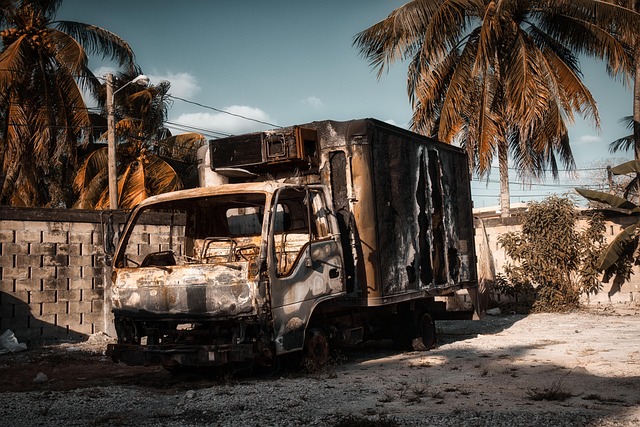
When a flood hits Denver homes, swift action is crucial to mitigate damage and facilitate a faster recovery. Water removal and drying services are a critical component of Denver flood damage restoration. Professional companies like Restoration Services Denver specialize in efficient water extraction, understanding that quick response times can save possessions and structures from extensive mold growth and structural deterioration.
The initial step involves assessing the extent of water intrusion and identifying sources. This could range from burst pipes to heavy rainfall. Denver’s unpredictable weather patterns underscore the importance of having a reputable water extraction company on speed dial. Once located, professionals utilize advanced equipment like powerful pumps and vacuums to remove standing water swiftly. This fast track method not only prevents further damage but also speeds up the drying process, reducing the risk of mold and mildew formation.
After water extraction, specialized drying techniques are employed. Restoration Services Denver employs state-of-the-art dehumidifiers and air movers to circulate dry air throughout affected areas. These tools help accelerate the evaporation process, ensuring every inch of the property is thoroughly dried. Regular monitoring with moisture meters ensures no hidden pockets of water remain, a common issue in residential flood cleanup. This meticulous approach guarantees Denver residents return to their homes safely and promptly, minimizing disruption to their lives.
Restoring Your Home: Content and Structure

Restoring your home after a flood can be an overwhelming task, but with professional Denver flood damage restoration services, it’s possible to recover quickly and efficiently. When faced with a flooded house in Colorado, seeking the expertise of specialized Denver flood recovery specialists is paramount. These professionals are equipped with the knowledge, tools, and resources necessary to handle the intricate process of restoring your property to its pre-flood condition.
The initial step in any Denver flood damage restoration involves assessing the extent of the water intrusion and identifying potential sources of contamination. Floodwaters can carry a variety of contaminants, including bacteria, chemicals, and other harmful substances, which necessitate careful consideration during the cleanup process. Proper personal protective equipment (PPE) is crucial for both residents and restoration technicians to minimize exposure to these hazards. Once safety measures are in place, specialized equipment is employed to extract water from affected areas, a critical step in preventing further damage and mold growth.
Following water extraction, the real work begins—the meticulous process of drying and decontaminating every inch of your home. Denver flood recovery specialists utilize advanced technologies like air movers and dehumidifiers to expedite the drying process, ensuring that moisture is eliminated from walls, floors, and belongings. This rapid response not only mitigates structural damage but also prevents the growth of harmful mold spores, a common issue in flooded homes. Throughout the restoration process, these professionals maintain open lines of communication, providing regular updates and addressing any concerns to ensure a transparent and successful outcome.
Preventing Future Floods: Long-Term Solutions

After a flood, the immediate focus is on Denver flood damage restoration—but what about preventing future disasters? While swift action is crucial for Fire Damage Restoration Denver, establishing long-term solutions can significantly reduce the risk and impact of subsequent floods. Advanced Restoration Colorado experts emphasize that understanding the root causes and implementing proactive measures are key to minimizing Denver flood damage over time.
One primary factor to address is geographical location and urban development practices. For instance, as Colorado’s climate changes, heavy rainfall events become more frequent, increasing the likelihood of flooding in low-lying areas. Constructing or reinforcing drainage systems, ensuring proper land grading, and implementing sustainable urban drainage systems can mitigate these risks. Additionally, mitigating the impact of infrastructure failures by regularly inspecting and maintaining levees, dams, and flood control structures is essential.
Beyond structural measures, educating communities plays a vital role in Denver flood damage prevention. Residents should be informed about potential flood hazards, emergency preparedness plans, and effective drying and repairing flooded spaces techniques. Regularly updating building codes to incorporate the latest flood-resistant construction practices can further fortify buildings against future events. By combining these strategic initiatives, Denver can enhance its resilience against floods, ensuring safer and more efficient recovery processes through expert Fire Damage Restoration Denver services like those offered by Advanced Restoration Colorado.
The comprehensive guide on Denver flood damage restoration highlights critical steps for effective recovery. By prioritizing assessment of Denver flood damage, efficient water removal, and thorough drying processes, homeowners can significantly expedite their restoration journey. Restoring both content and structural elements ensures a complete rejuvenation. Furthermore, implementing long-term solutions to prevent future floods is paramount for safeguarding homes and memories. This article equips readers with the knowledge to navigate Denver flood damage restoration, ensuring their properties return to pre-flood conditions promptly and effectively.
About the Author
Meet Dr. Emily Johnson, a renowned disaster restoration expert and lead technician at Denver Rapid Restoration. With over 15 years of experience, she holds certifications in Water Damage Restoration and Mold Remediation from the IICRC. Emily is a contributing author to the Restoration Journal and an active member of the International Association of Fire Chiefs. Her expertise lies in swift and efficient flood cleanup, ensuring homes in Denver are restored to pre-disaster condition with minimal disruption.
Related Resources
Here are 5-7 authoritative related resources for an article about “Denver Home Flood Cleanup: Fast and Efficient Restoration”:
- Red Cross: Emergency Preparedness and Response (Government Portal): [Offers comprehensive guides on flood cleanup and recovery.] – https://www.redcross.org/get-help/disaster-preparation-and-recovery/emergency-preparedness
- Environmental Protection Agency (EPA): Flooding (Government Site): [Provides expert advice on safe and effective flood cleanup techniques.] – https://www.epa.gov/flooding
- Restoration Industry Association (RIA) (Industry Organization): [Offers resources, guidelines, and professional network for efficient restoration practices.] – https://www.ria.org/
- University of Colorado Denver: Emergency Management Guide (Academic Study): [A comprehensive guide on handling home floods from a local academic institution.] – https://www.ucdenver.edu/emergency-management/home-floods
- Denver Fire Department: Home Flood Safety (Local Government Resource): [Specific to Denver, this resource provides city-approved flood cleanup tips and advice.] – https://www.denvergov.org/content/denver-fire-department/home-flood-safety
- Servpro: Water Damage Restoration (Industry Expert): [Offers expert insights and steps for efficient home flood restoration.] – https://www.servpro.com/water-damage-restoration
- American Red Cross: Flooding and Clean Up (Non-Profit Organization): [A go-to source for post-flood cleanup tips from a respected humanitarian organization.] – https://www.redcross.org/disaster-preparation-and-recovery/flooding