

Prompt action is crucial for effective Denver Flood Damage Restoration following basement flooding. Key steps include assessing damage, cleaning, dehumidification, addressing secondary issues like smoke and mold, and restoring affected areas. Early detection through signs like water stains and musty odors is essential. Engage certified professionals from reputable organizations for strategic restoration. Prevent future damage through proper drainage, waterproofing, sump pump installation, and commercial flood preparedness.
In the vibrant city of Denver, unexpected events like basement floods can disrupt homes and lives. When water intrudes, swift action is paramount to prevent extensive damage and ensure a safe environment. This is where Denver Flood Damage Restoration experts step in—highly trained professionals equipped to handle every facet of basement flood cleanup and restoration. Their meticulous process includes water extraction, drying techniques, mold remediation, and rebuilding efforts, ensuring properties are restored to their pre-loss condition. With specialized equipment and deep industry knowledge, these experts navigate the challenges of Denver’s unique climate and terrain, providing peace of mind during an otherwise stressful time.
- Understanding Denver Flood Damage Restoration Process
- Identifying Signs of Basement Flooding in Denver
- Choosing Reliable Denver Basement Flood Cleanup Experts
- Effective Strategies for Denver Flood Damage Repair
- Preventing Future Basement Floods in Denver Homes
Understanding Denver Flood Damage Restoration Process
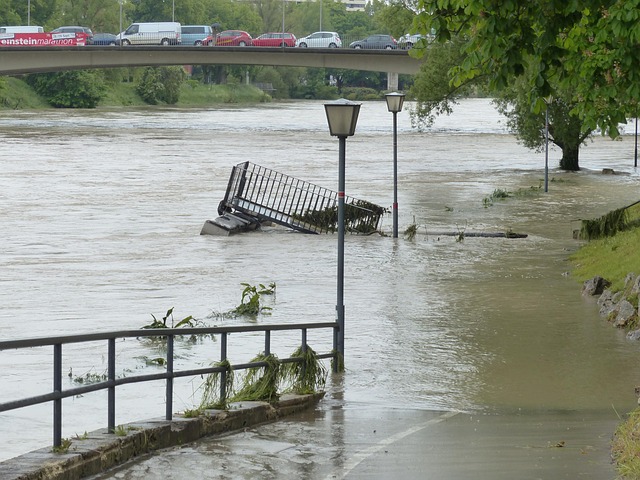
Understanding Denver Flood Damage Restoration Process
When faced with a basement flood in Denver, prompt action is crucial to mitigate damage and ensure a swift recovery. The Denver Flood Damage Restoration process involves a systematic approach tailored to address various types of water intrusion. First, assess the extent of the damage, documenting affected areas using high-resolution photography for insurance claims. This initial step sets the foundation for effective restoration strategies.
Next, professionals employ specialized equipment for sewage cleanup Denver and biohazard cleanup Denver, removing contaminated materials and preventing further deterioration. In many cases, this includes extracting standing water, drying out the space, and employing advanced dehumidifiers to reduce moisture levels below recommended thresholds. For instance, the American Red Cross advises that visible mold growth can occur within 24–48 hours of water intrusion, underscoring the urgency of these measures.
Following initial dewatering and drying, restoration specialists address secondary issues like smoke damage restoration Denver. Smoke from flooded areas or nearby fires can leave behind stubborn odours and even invisible toxins. Experts use advanced air purification systems and odor removal techniques to restore indoor air quality. Moreover, they may apply anti-microbial treatments to prevent the growth of mold and bacteria, ensuring a safer living environment for residents post-flood.
Identifying Signs of Basement Flooding in Denver
The first signs of basement flooding in Denver can often be subtle, but recognizing them early is crucial for effective Denver flood damage restoration. Persistent water stains on walls, ceilings, or floors are a telltale sign, especially if they seem to appear or grow faster than you’d expect due to normal weather patterns. Look out for unexpected puddles or pooling water in the basement, even after light rainfall, as this could indicate poor drainage or a leak from an appliance like a water heater. Another red flag is musty odors; mold and mildew thrive in damp environments, so if your home starts to smell stale, it’s time to investigate.
Dealing with flood damage Denver requires swift action. Once you’ve identified potential flooding, the next step is assessing the extent of the damage. Check for water intrusion from outside, examining foundations, doors, and windows for cracks or seepage. Interior inspections should include a thorough look at basements, attics, and crawl spaces—common areas where water can accumulate and cause structural damage. If heavy rain floods have affected your home, it’s essential to start the drying process immediately to prevent mold growth and further complications.
Professional Denver flood damage restoration services often employ specialized equipment like dehumidifiers, air movers, and heaters to expedite drying times. These tools help remove moisture from every nook and cranny, ensuring your home is dried out completely (ideally, relative humidity should be below 50%). Restoring after heavy rain floods involves more than just drying; it’s about protecting and preserving your belongings too. Remove valuable items and documents to higher levels of the house until the area is fully dry and safe to enter.
Remember that timely intervention is key in mitigating potential health risks and structural damage from Denver flood damage restoration. If left unattended, even seemingly minor flooding can lead to significant issues down the line. So, if you suspect any water intrusion or notice unusual signs, don’t hesitate to contact professionals who specialize in dealing with flood damage Denver residents often face.
Choosing Reliable Denver Basement Flood Cleanup Experts

When faced with a basement flood in Denver, choosing reliable experts for Denver flood damage restoration is crucial. Home flooding solutions in Denver can be complex, with potential risks ranging from structural damage to mold growth if not handled properly. It’s essential to partner with professionals who understand the unique challenges of Denver’s climate and terrain, such as those experienced in crime scene cleanup Denver.
Look for companies that are certified by reputable organizations like the Institute of Inspection, Cleaning and Restoration Certification (IICRC). This ensures they adhere to recognized industry standards for water damage restoration. Additionally, verify their experience in handling various types of flooding, from burst pipes to heavy rainfall events, which can significantly impact home values and require specialized Denver water damage restoration techniques.
Beyond certifications and experience, consider companies that offer 24/7 emergency response services, as basement floods can occur at any time. Efficient and swift action can limit damage and prevent costly complications. Reputable firms will also provide a detailed plan for the entire cleanup and restoration process, including decontamination, drying, and rebuilding—ensuring your peace of mind during an otherwise stressful situation. Always request references and check online reviews to gauge their reputation and customer satisfaction levels.
Effective Strategies for Denver Flood Damage Repair

The impact of heavy rain and subsequent floods can leave Denver homes in disarray, with basements often among the most vulnerable areas. Effective Denver flood damage restoration requires a strategic approach that addresses both immediate response and thorough long-term recovery. Restoring after heavy rain floods demands a multi-step process to ensure not only structural repair but also the health and safety of occupants.
The initial step in Denver flood damage restoration is assessing the extent of water intrusion. Professionals utilize advanced moisture meters and thermal imaging cameras to pinpoint affected areas. Once identified, the rapid drying out of flooded basements becomes paramount. This involves employing powerful dehumidifiers and air movers to expedite the evaporation process, minimizing mold growth and structural deterioration. For instance, data from local disaster response agencies suggests that prompt drying can reduce restoration costs by up to 20% compared to slower methods.
Restoring a home after flooding, whether once or multiple times, necessitates meticulous cleaning and decontamination. Water-soaked surfaces, carpets, and furnishings may harbor harmful bacteria and fungi. Professional cleaners utilize advanced disinfectants and steam cleaning techniques to eliminate pathogens and ensure a hygienic environment. This is especially crucial for individuals with allergies or compromised immune systems. Following cleaning, repairing water-damaged walls, floors, and ceilings can commence, employing high-quality materials and techniques to restore the basement to its pre-flood condition.
Throughout the Denver flood damage restoration process, prioritizing safety should never waver. Occupants should evacuate flooded areas until professional help arrives, avoiding contact with contaminated water. Wearable protective gear, including gloves and masks, becomes essential during cleanup and renovation projects. By adhering to these strategies and enlisting the aid of seasoned Denver basement flood cleanup experts, homeowners can ensure their properties return to a safe, livable condition following unforeseen flooding events.
Preventing Future Basement Floods in Denver Homes

Basements are particularly vulnerable to flooding, a significant concern for many Denver homeowners. Preventing future basement floods involves a multi-faceted approach that combines robust prevention measures and effective response strategies. One of the primary steps is ensuring proper drainage around your home. This includes clearing debris from gutters and downspouts, installing surface drains, and directing stormwater away from your foundation. Regular inspection and maintenance of these systems can prevent clogs and reduce the risk of water intrusion.
Additionally, Denver flood damage restoration experts recommend waterproofing your basement walls and floors. There are various methods available, such as applying a waterproof membrane or using specialized coatings designed to resist moisture penetration. Installing a sump pump system is another crucial measure that helps remove excess water quickly, preventing it from accumulating and causing damage. It’s essential to keep these systems in good working order through routine testing and maintenance, especially during heavy rainfall events.
For commercial properties in Denver, comprehensive commercial restoration and Denver commercial flood recovery plans are vital. Business owners should invest in high-quality waterproofing solutions, robust drainage systems, and advanced drying technologies like desiccant dehumidifiers to ensure swift and effective water removal. Regular training for employees on flood response protocols and keeping emergency contact lists readily available can further minimize disruptions. By implementing these strategies, Denver residents and businesses can significantly reduce the likelihood of future basement floods, ensuring safer, drier spaces for years to come.
By thoroughly understanding the Denver flood damage restoration process, recognizing early signs of basement flooding, and selecting reputable experts like those specialized in Denver basement flood cleanup and restoration, homeowners can mitigate extensive damage. Implementing effective repair strategies and proactive measures to prevent future floods are paramount for a swift return to normalcy and enhanced home protection. This comprehensive approach, as outlined in this authoritative article on Denver flood damage restoration, equips residents with the knowledge to navigate challenging situations, restore their homes, and safeguard against potential future losses.