
Denver Flood Damage Restoration involves critical initial assessments to guide recovery. Professionals use advanced tools for thorough evaluations, followed by precise drying and dehumidification within 24-48 hours to prevent mold growth. Key techniques include using moisture meters, thermal imaging, and drone technology. Swift action is crucial; delayed response increases structural damage and health risks from hidden moisture and mold colonization. Regular monitoring ensures optimal humidity levels during restoration, protecting investments and mitigating health hazards.
Denver Flood Damage Restoration is a critical aspect of property preservation and public health, particularly with the region’s unpredictable climate patterns. Heavy rainfall and rapid snowmelt can lead to severe flooding, leaving behind not only physical damage but also creating an ideal environment for mold growth within hours. This intricate process necessitates immediate and meticulous restoration strategies to mitigate risks associated with both structural decay and adverse health effects linked to mold exposure. By delving into effective mold prevention tactics during Denver Flood Damage Restoration efforts, professionals can ensure a safer, healthier return for affected residents.
- Assessing Denver Flood Damage: The First Step
- Dry Out and Dehumidify: Preventing Mold Growth
- Structural Drying Techniques for Your Home
- Safe and Effective Mold Remediation Practices
- Post-Flood Restoration: Long-Term Protection Strategies
Assessing Denver Flood Damage: The First Step
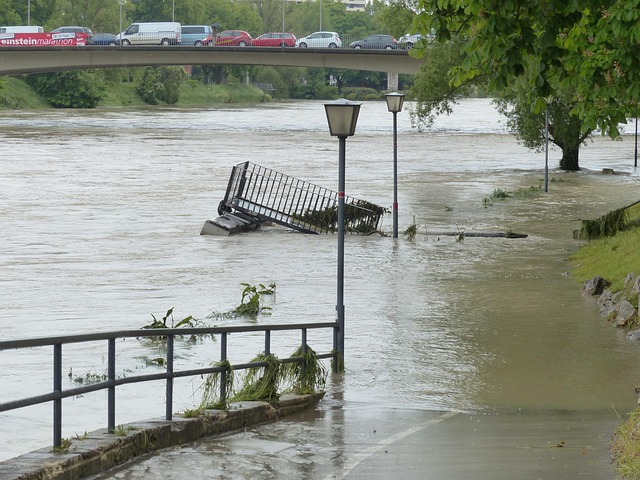
Assessing Denver Flood Damage is the critical first step in any successful denver flood damage restoration process. After a river flood or basement flooding event, homeowners and business owners alike must meticulously evaluate the extent of the water intrusion and associated damage. This initial assessment guides every subsequent decision in the recovery process, from implementing effective mold prevention strategies to choosing the right Denver flood recovery specialists.
Water damage can lead to significant structural issues, hidden mold growth, and even health risks if not addressed promptly. In fact, according to the Insurance Institute for Business & Home Safety, water damage is one of the most common causes of property loss in the United States, costing billions annually. Therefore, a comprehensive assessment is essential to identify visible and invisible damages, such as warped floors, discolored walls, or even compromised electrical systems.
Professional Denver flood restoration specialists employ advanced tools and techniques to assess water levels, determine moisture content, and locate hidden damage. They may use moisture meters, thermal imaging cameras, and even drone technology to ensure a thorough evaluation. Once the assessment is complete, homeowners receive a detailed report outlining the scope of work required for restoring their property, including basement flooding restoration guide measures tailored to their specific needs. This proactive approach ensures that every aspect of denver flood damage restoration—from mold prevention to structural repair—is handled with precision and expertise.
Dry Out and Dehumidify: Preventing Mold Growth

In the aftermath of a Denver flood, whether from heavy rainfall or a river overflow, proper drying and dehumidification are critical steps in the flood damage restoration process to prevent mold growth. Mold thrives in moist environments, making it essential to address water damage promptly and efficiently during restoring after a river flood or flooded house restoration in Colorado. A study by the Environmental Protection Agency (EPA) highlights that visible mold can appear within 24-48 hours of water intrusion, emphasizing the urgency of these measures.
Professionals in Denver flood damage restoration employ advanced equipment like air movers and dehumidifiers to speed up the drying process. These tools help lower humidity levels, creating an inhospitable environment for mold spores to proliferate. It’s important to note that even after the visible water has evaporated, hidden moisture may remain behind walls or under floors. Therefore, restoring a flooded house in Colorado requires thorough inspection and testing with tools like moisture meters to ensure every affected area is fully dried.
For homeowners tackling a flooded house restoration themselves, using fans to increase air circulation and opening windows (when safe from additional water intrusion) can aid in drying out the space. Dehumidifiers should be strategically placed in damp areas, focusing on corners, basements, and enclosed spaces where moisture tends to accumulate. Remember that maintaining indoor relative humidity below 50% is ideal for mold prevention. Regular monitoring with a hygrometer can help ensure this level is achieved and sustained throughout the restoration process. By prioritizing dry out and dehumidification during Denver flood damage restoration, residents can protect their homes from not only visible water damage but also the insidious effects of mold growth.
Structural Drying Techniques for Your Home
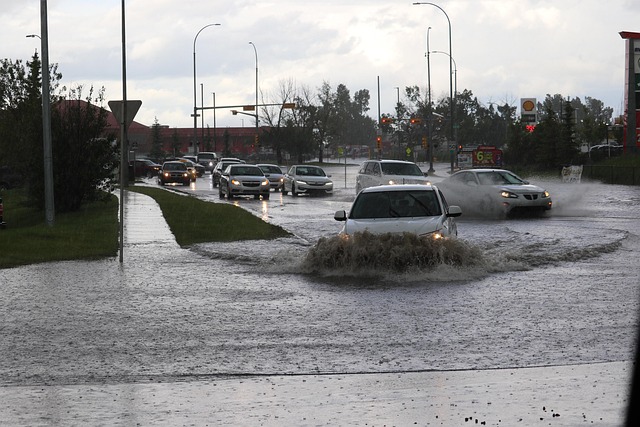
In the aftermath of a Denver flood, proper structural drying techniques are crucial for effective Denver flood damage restoration. As water intrudes into homes, it leaves behind moisture that can quickly transform into mold if not addressed promptly. According to a study by the Environmental Protection Agency (EPA), mold growth can begin within 24-48 hours of water intrusion, making swift action essential. A professional Denver flood damage restoration company like ARC Restoration employs advanced equipment and methods to ensure every inch of your property is thoroughly dried, mitigating the risk of mold and supporting the healing process of your home.
One critical aspect of structural drying involves drying out wood floors after a flood. Wood is particularly susceptible to water damage, swelling, warping, and even permanent deformation. ARC Restoration recommends acting swiftly—within 24 hours if possible—to minimize damage. Initial steps include removing standing water with mop buckets or pumps, followed by the application of industrial-grade dehumidifiers to lower humidity levels quickly. For wood floors, it’s crucial to allow for adequate air circulation, using fans strategically placed throughout the affected areas. After drying, specialized wood floor restoration services may be required to restore the original appearance and integrity of your flooring.
The process doesn’t stop at visible surfaces. Wall cavities, insulation, and even structural components must also be dried thoroughly. ARC Restoration utilizes advanced moisture-sensing technology and infrared cameras to detect hidden moisture sources, ensuring no part of your home remains wet. This meticulous approach is vital in preventing not only mold growth but also the potential for structural damage over time. By employing these state-of-the-art drying techniques, a Denver flood damage restoration company like ARC Restoration helps protect your investment and keeps your family safe from health risks associated with prolonged moisture exposure.
Safe and Effective Mold Remediation Practices
In the aftermath of a Denver flood, effective mold prevention strategies are paramount for safe and comprehensive Denver Flood Damage Restoration. ARC Restoration emphasizes that prompt action is crucial; within 24-48 hours after flooding, moisture levels must be controlled to inhibit mold growth. The process begins with drying and repairing flooded spaces as quickly as possible. This involves using industrial dehumidifiers to reduce humidity, which can foster mold development. For instance, a study by the Institute of Inspection, Cleaning, and Restoration Certification (IICRC) found that 95% of homes experiencing water damage above 48 inches had visible mold within 72 hours.
When addressing flooded kitchens—a common area for extensive water intrusion—a meticulous approach is required. The restoration process should include not only removing standing water but also disinfecting surfaces to prevent bacterial and mold growth. ARC Restoration recommends using EPA-approved antimicrobials during the cleaning process. Proper disposal of contaminated materials is equally vital to avoid further contamination and spread of spores.
Throughout the Denver Flood Damage Restoration process, monitoring moisture levels with tools like moisture meters ensures that all affected areas are fully dried before restoration begins. This meticulous attention to detail minimizes the risk of mold colonization, which can lead to health issues for occupants and significant structural damage. Regular inspection during drying and repairing flooded spaces allows for early detection of hidden moisture, preventing a costly and hazardous mold problem.
Post-Flood Restoration: Long-Term Protection Strategies

In the aftermath of a Denver flood event—be it from heavy rain or rapid snowmelt—the primary focus during the initial stages is emergency water extraction in Colorado to mitigate immediate damage. However, ensuring effective Denver flood damage restoration extends far beyond these initial efforts. Long-term protection strategies are crucial to prevent not just further physical damage but also the growth of mold and mildew, which can pose significant health risks for residents and necessitate costly remolding.
One of the most effective steps in post-flood restoration is thorough drying. Moisture left behind after a flood creates an ideal environment for mold to proliferate within 24–48 hours. Professional restoration services utilize advanced equipment like dehumidifiers and air movers to expedite drying, preventing mold from taking root. For instance, according to the Environmental Protection Agency (EPA), proper drying can reduce the potential for both structural damage and indoor air quality issues.
Moreover, a comprehensive strategy involves treating affected areas with antimicrobial solutions during disaster cleanup and restoration in Denver. These treatments inhibit the growth of mold and bacteria, providing an additional layer of protection. It’s recommended to consult with certified professionals who understand the unique challenges of restoring after heavy rain floods. They can implement tailored solutions based on the extent of damage, ensuring not just effective water extraction but also long-lasting protection against future moisture-related issues.
In navigating Denver flood damage restoration, this article has underscored several critical strategies for mold prevention. Key takeaways include the paramount importance of assessing flood damage and initiating prompt drying processes to mitigate mold growth. Implementing effective structural drying techniques and safe mold remediation practices is essential to ensuring a healthy and safe living environment. Additionally, long-term protection strategies post-restoration are vital to prevent future flooding and its associated issues. By adhering to these comprehensive guidelines, Denver residents can effectively manage flood damage, avoid costly repairs, and create a resilient home environment free from mold concerns.