
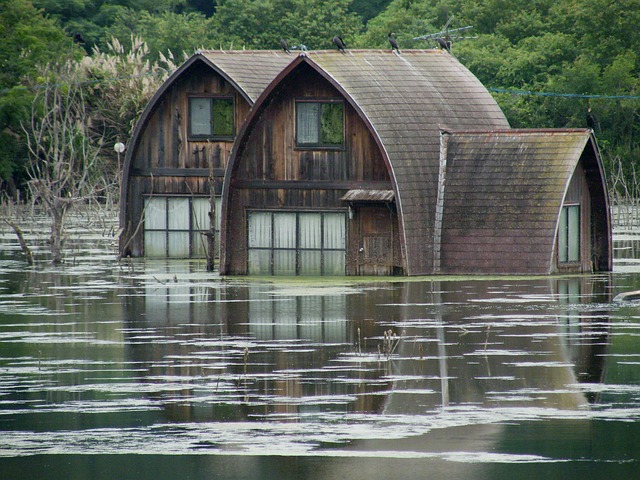
After a flood in Denver, immediate steps include thorough assessment, water extraction using advanced equipment, and structural stabilization. Professionals inspect for damage, hazards, and mold growth, focusing on drying to prevent long-term issues. Content cleaning, deodorization, and final inspections ensure property safety, restoration to pre-flood condition, and successful insurance claims through meticulous techniques.
After a flood in Denver, immediate and proper restoration is crucial. This step-by-step guide outlines the process of repairing your property from the ground up. From assessing initial damage and extracting water, to drying techniques and restoring structural integrity, each phase demands expertise. Learn about content cleaning, deodorization, and final inspections to ensure a successful insurance claim. Discover how Denver Flood Damage Restoration experts navigate this intricate process, ensuring your home or business returns to normal safely and efficiently.
- Assessing Denver Flood Damage: Initial Steps
- Water Extraction and Drying Techniques
- Restoring Structural Integrity
- Content Cleaning and Deodorization
- Final Inspection and Insurance Claims
Assessing Denver Flood Damage: Initial Steps
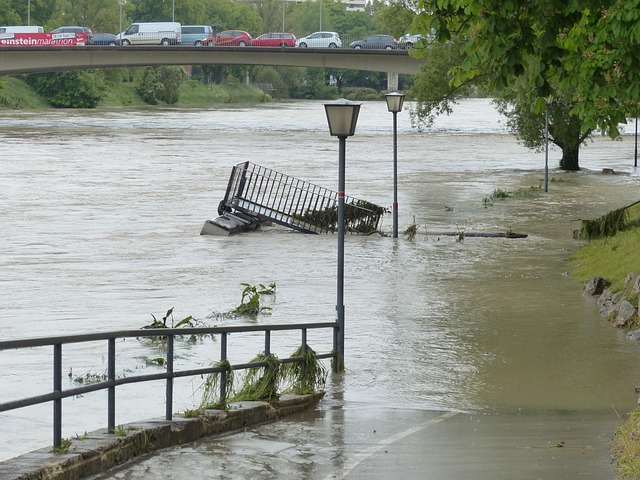
After a flooding event, the initial step in any Denver flood damage restoration process is thorough assessment. Homeowners or property managers should begin by surveying the damage to understand the extent of the disaster. This involves checking for water levels, identifying affected areas, and assessing structural integrity. It’s crucial to remember that safety comes first; ensure the area is secure before entering, and wear appropriate protective gear if necessary.
The next steps involve documenting the damage through photographs or videos for insurance purposes and identifying potential hazards. These might include electrical risks, mold growth, or contaminated water sources. With these initial assessments complete, it’s time to call in professional Denver flood cleanup services who specialize in Disaster Cleanup and Restoration. They will have the necessary equipment, such as powerful dehumidifiers, to start the process of drying out a flooded home effectively.
Water Extraction and Drying Techniques

After a flood, one of the critical initial steps in Denver flood damage restoration is water extraction. Professional restoration services employ advanced equipment like powerful pumps and vacuums to swiftly remove standing water from homes and businesses. This not only halts further damage but also speeds up the drying process. Advanced Restoration Colorado specialists understand that quick action is crucial; immediate water removal can prevent mold growth, save valuable possessions, and minimize structural harm.
Once the water is extracted, effective drying techniques come into play. Advanced Restoration Colorado uses cutting-edge technology like air movers and dehumidifiers to circulate dry air throughout affected areas. These tools speed up evaporation and reduce humidity levels, creating an environment conducive to restoration. Proper drying is essential for preventing long-term issues like mold infestations and structural degradation, making it a vital part of the Denver residential flood cleanup process.
Restoring Structural Integrity

After a flood, the first step in Denver flood damage restoration is assessing and restoring the structural integrity of affected areas. This involves a thorough inspection to identify any compromised walls, foundations, or roofs that may require reinforcement or replacement. Professionals use advanced equipment to assess water levels and determine the extent of the damage, ensuring the safety of residents and preventing further hazards like mold growth or structural collapse.
The process begins with drying and repairing flooded spaces using specialized machinery to extract excess water and humidity. Once the area is dry, they tackle any necessary repairs, from fixing cracks in walls to replacing damaged flooring. The goal is not only to restore the property to its pre-flood condition but also to ensure it meets safety standards. This meticulous step is crucial for a successful Denver flood damage restoration, preventing future issues and providing peace of mind for homeowners.
Content Cleaning and Deodorization

After the immediate aftermath of a flood has passed, the next crucial step in Denver flood damage restoration is content cleaning and deodorization. This process involves thoroughly cleaning and sanitizing all affected items within the property to prevent further damage and minimize health risks. The first step is assessing what can be saved; some items may require professional cleaning or even disposal depending on the level of contamination. For commercial properties, a Denver commercial flood recovery plan should include detailed protocols for cleaning and deodorizing equipment, documents, and other valuable assets.
The restoration process includes deep cleaning surfaces, removing foul odors, and using advanced odor removal techniques. Special attention is given to hard-to-reach areas, as these can often become breeding grounds for mold and bacteria. Restoring after a river flood or any other water damage requires drying and repairing flooded spaces promptly to avoid structural damage and prevent the growth of unsanitary contaminants. This meticulous process ensures that once the property is dried, it’s safe to inhabit again and all risks associated with water damage are minimized.
Final Inspection and Insurance Claims
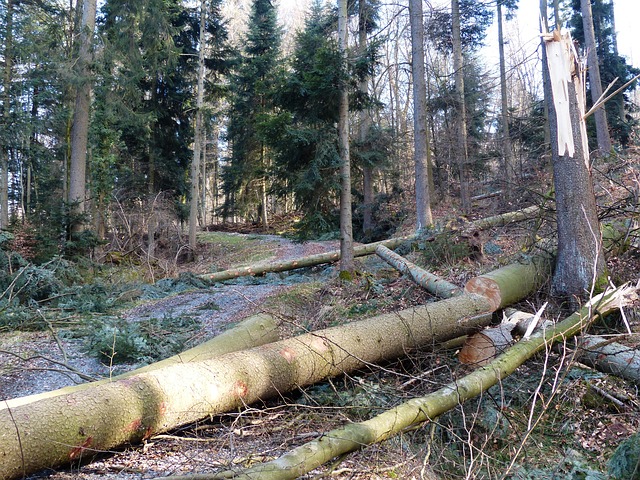
After the initial response and water extraction during Denver flood damage restoration, the final inspection is a critical step. This involves thoroughly assessing the property for any remaining moisture or structural issues. It’s crucial to ensure that all affected areas are completely dry to prevent further damage from mold growth and other complications. Professional restorers use advanced tools like moisture meters and thermal imaging cameras to pinpoint hidden moisture sources.
During this phase, homeowners should also initiate their insurance claims process with Colorado emergency flood services. Documenting the damage is essential for a successful claim. Take photos of water-damaged items, walls, ceilings, floors, and any structural elements that show signs of compromise. Keep records of all expenses related to temporary repairs, cleanup, and Denver residential flood cleanup efforts. These documents will be crucial when submitting your insurance claim, which should cover the cost of restoration work under certain circumstances. Remember, understanding how to prevent flood damage can minimize the impact and costs associated with these events.
After a flood in Denver, a meticulous restoration process is key to returning your property to its pre-loss condition. From initial damage assessment to final inspection, each step is crucial for effective Denver flood damage restoration. Understanding water extraction methods, structural repairs, content cleaning, and insurance claims will ensure a smooth recovery. By following these comprehensive guidelines, you can effectively navigate the aftermath of a flood and restore your space to its former glory.