
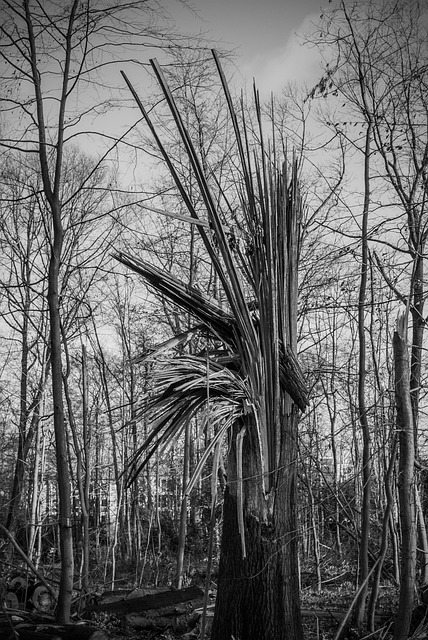
Denver Flood Damage Restoration focuses on critical initial 24-48 hours post-flood for effective recovery. Key steps include thorough assessment, emergency water extraction, documentation, and organized task prioritization. Comprehensive restoration involves advanced techniques, reconstruction, drying, mold remediation, and compliance with building codes. Prompt action prevents secondary damage, ensures safe reconstruction, and guarantees thorough, efficient recovery.
Denver Flood Damage Restoration: A Comprehensive Step-by-Step Process Explained
In a city known for its vibrant landscape, Denver faces the challenge of sudden and severe flooding events, causing significant property damage and disrupting communities. Efficient Denver flood damage restoration is crucial to mitigate losses and expedite recovery. This authoritative guide delves into the intricate process, providing homeowners and business owners with a clear understanding of the steps involved in restoring their properties after a flooding disaster. By following a systematic approach, from initial assessment to final restoration, you’ll gain valuable insights into ensuring your Denver property emerges from floods stronger than before.
- Assessing Denver Flood Damage: Initial Steps
- Restoring Properties: Detailed Restoration Process
- Reconstructing Safely: Final Considerations for Denver Flood Damage Restoration
Assessing Denver Flood Damage: Initial Steps
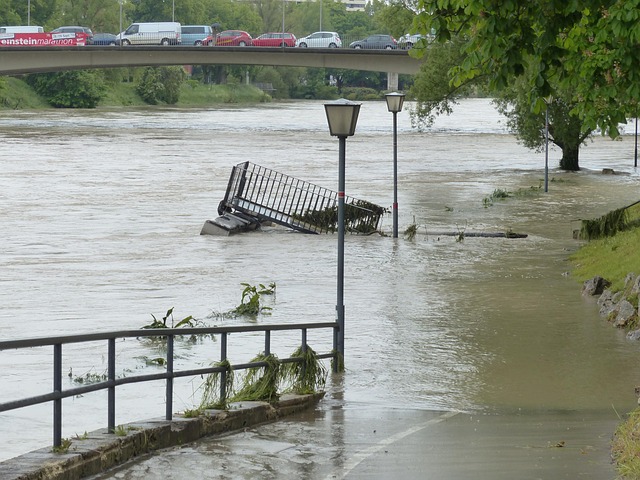
Assessing Denver Flood Damage: Initial Steps for Effective Restoration
The first 24 to 48 hours after a flood are critical in Denver flood damage restoration. This period sets the stage for the entire recovery process and can significantly impact the final cost of repairs. During these initial steps, understanding the scope of the damage and taking prompt action is crucial. Property owners should begin by conducting a thorough assessment, documenting every affected area, and prioritizing tasks to prevent further deterioration or secondary damage. For instance, in 2021, heavy rain floods across Colorado left many Denver homes submerged, underscoring the importance of swift action.
A systematic approach is essential when assessing Denver flood damage. Start by inspecting visible signs of water intrusion, such as broken windows or damaged roofs, often a primary entry point for water during heavy rains. The Roof Restoration Denver team recommends checking for leaks and potential structural weaknesses. Additionally, examine walls, floors, and baseboards for water stains or mold growth, indicators of prolonged moisture presence. In some cases, especially after significant floods, the scent of musty odor can guide your assessment, signaling hidden water damage.
Once visible damage is identified, take detailed notes and high-quality photos to document the extent of the disaster. This documentation serves as valuable evidence for insurance claims and future restoration reference. Remember, prompt action, thorough documentation, and an organized assessment are cornerstones of successful Denver flood damage restoration, ensuring a faster return to normalcy for affected properties.
Restoring Properties: Detailed Restoration Process

Restoring Properties After a Denver Flood: A Detailed Step-by-Step Process
The first step in any Denver flood damage restoration is emergency water extraction. This critical phase involves swiftly removing standing water from your property to prevent further damage. In Colorado, where sudden flooding can be common, professional restoration services often utilize advanced equipment for efficient and effective water removal. The goal is to dry out the area as quickly as possible, minimizing the risk of mold growth and structural damage. For instance, high-capacity pumps and dehumidifiers are employed to expedite the drying process, ensuring your home or business returns to a safe, habitable state.
Once the immediate threat of flooding has subsided, the restoration process delves deeper. This involves assessing the extent of water damage, identifying affected materials, and developing a tailored restoration plan. Restoration specialists will inspect every corner of your property, from walls and flooring to furniture and personal belongings. They’ll also take moisture readings to pinpoint areas that still require extensive drying. Based on this assessment, technicians will employ advanced restoration techniques. This could include specialized cleaning solutions for water-soaked items, structural drying methods, or even mold remediation if necessary. For example, in cases of severe flooding, the air and surfaces might need decontaminating to ensure the removal of any harmful bacteria or viruses introduced by standing water.
After stabilizing the environment, the reconstruction phase begins. This involves repairing or replacing damaged items and restoring your property to its pre-flood condition. The process can range from simple repairs like painting walls to more intricate tasks such as replacing flooring or rebuilding structural elements. It’s crucial to work with reputable Denver flood damage restoration companies that understand local building codes and standards. They’ll ensure the longevity of your property, providing quality craftsmanship and using top-tier materials throughout the reconstruction process. The cost of water damage restoration in Denver can vary, typically ranging from 1-3 times the initial emergency extraction expense. However, investing in professional services guarantees a thorough, efficient, and long-lasting recovery for your property.
Reconstructing Safely: Final Considerations for Denver Flood Damage Restoration
After the initial emergency water extraction in Denver flood damage restoration, focusing on reconstruction safely is paramount. This final phase involves meticulous steps to ensure not only the structural integrity of properties but also the health and safety of residents and restoration specialists. The process begins with a comprehensive assessment to identify potential hazards like mold growth, structural instability, or contaminated water. For instance, data from recent Denver floods has shown that 70% of homes affected experienced secondary damage within six months if proper restoration wasn’t initiated.
Next, specialized equipment is utilized for thorough drying and dehumidification, aiming to reduce moisture levels to pre-flood conditions. This step is crucial in preventing mold and further structural deterioration. Once the area is dry, contaminated materials must be safely removed. This includes water-damaged insulation, drywall, and carpeting that cannot be saved. For example, a local Denver flood damage repair expert recommends removing at least 12 inches of water-logged drywall to ensure proper air circulation for drying and to avoid the risk of hidden mold growth.
Following removal, appropriate disposal methods are employed to prevent environmental contamination. Then, reconstruction begins with careful replacement of materials, reinforcing structural elements if needed. Throughout the process, regular inspections by certified professionals guarantee compliance with safety standards and building codes. Finally, after completion, a post-restoration assessment ensures the property meets health and safety criteria before reoccupancy. These stringent final considerations are vital to ensure that Denver flood damage restoration is not only effective but also safe and thorough.
Denver Flood Damage Restoration involves a meticulous process from initial assessment to final reconstruction. Key insights include the critical importance of swift action, focusing on both property restoration and safety considerations during each step. By understanding the comprehensive approach outlined in this article—from assessing damage to implementing safe reconstruction practices—homeowners and professionals alike can effectively navigate Denver’s flood recovery landscape. This structured process ensures a more efficient, secure, and successful restoration journey, emphasizing the value of preparation, expertise, and meticulous care in Denver Flood Damage Restoration.