

Denver Flood Damage Restoration involves a meticulous process within 24-48 hours to minimize damage. Key steps include emergency water extraction, comprehensive assessment, drying/decontaminating, and repairing affected areas. Prompt action prevents mold growth, structural damage, and health risks. Advanced technology ensures thorough inspection and effective drying. Long-term solutions like waterproof barriers and drainage systems reduce future flooding risk. Regular maintenance checks are crucial for Denver residents to protect their properties.
In the face of Denver’s unpredictable weather patterns, effective Denver flood damage restoration becomes a vital component of community resilience. Sudden deluges can turn into devastating floods, leaving homes and businesses damaged, families displaced, and communities in disarray. Prompt and professional restoration is crucial not just for structural repair but also for mitigating mold growth, preserving memories, and restoring peace of mind. This article provides an authoritative guide to the Denver flood damage restoration process, equipping property owners with the knowledge needed to navigate this critical period effectively. We delve into every step—from initial assessment to final reconstruction—ensuring your journey towards recovery is as smooth and successful as possible.
- Understanding Denver Flood Damage Restoration Process
- Immediate Steps After a Flood in Denver
- Assessing and Documenting Water Damage in Homes
- Safe and Effective Remediation Techniques
- Drying and Dehumiding: Key to Successful Restoration
- Rebuilding and Preventing Future Flooding
Understanding Denver Flood Damage Restoration Process

Denver flood damage restoration is a specialized process that requires meticulous attention to detail and expert knowledge. When heavy rain or severe weather events inundate homes and businesses, quick action is crucial for minimizing losses. The first step in Denver flood damage restoration is emergency water extraction in Colorado, where professional teams utilize advanced equipment to remove standing water as swiftly as possible. This not only prevents further damage but also mitigates the growth of mold and mildew, a common consequence of flooded spaces.
Following initial water removal, the Denver Flood Damage Restoration process delves into comprehensive assessment and planning. Restorers inspect affected areas for structural integrity, identify potential hazards, and determine the extent of water intrusion. This phase is vital as it guides the subsequent restoration efforts, ensuring that every element—from wall panels to electrical systems—is addressed appropriately. For instance, in cases of severe weather, like flash floods or storms, restorers must be prepared for unique challenges such as debris accumulation and potential secondary damage from overflowing rivers or broken pipes.
The heart of Denver flood damage restoration involves drying, decontaminating, and repairing. Drywall, carpeting, and other porous materials are carefully dried using industrial-strength fans and dehumidifiers to prevent mold growth. Professional cleaning solutions are employed to sanitize affected areas, removing any contaminants or pathogens that may have been introduced during the flooding event. Once decontamination is complete, restoration work begins in earnest: from repairing water-damaged walls and floors to replacing contaminated furnishings. The goal is not just to restore properties but to return them to their pre-flood condition, ensuring a safe and healthy environment for residents or business occupants upon reentry.
Immediate Steps After a Flood in Denver

Following a flood in Denver, immediate action is crucial for effective Denver flood damage restoration. The first 24 to 48 hours are critical; water extraction should be a top priority to prevent secondary damages like mold growth and structural deterioration. Begin by turning off electricity at the main breaker to ensure safety, as electrical systems can be severely damaged by flooding. Next, remove wet materials—carpets, furniture, drywall—as they significantly contribute to moisture levels. It’s important to note that professional Denver water damage restoration experts recommend not using household vacuum cleaners on flooded areas due to potential electrical hazards and the risk of pushing contaminants deeper into porous materials.
For a flooded kitchen, restoration tips include quickly removing food and appliances to prevent contamination. Disinfect surfaces thoroughly to minimize bacterial growth. In many cases, hard floors can be cleaned and dried, but waterproofed, while damaged cabinets and countertops may require replacement. Denver’s climate brings both cold and moisture, so thorough drying is essential to avoid frozen pipes and further water damage. Professional fire damage restoration Denver services often involve advanced drying techniques and equipment designed for efficient water extraction.
Remember that timely action is key; the faster you begin Denver flood damage restoration, the better the outcome. Contacting experts like Denver’s top water damage restoration specialists ensures a thorough, safe, and effective clean-up process. They employ specialized equipment and follow industry best practices to restore your home or business to its pre-flood condition, minimizing disruption and helping you return to normalcy as quickly as possible. Data shows that prompt action within 48 hours can significantly reduce the risk of long-term damage and costly repairs.
Assessing and Documenting Water Damage in Homes

Assessing water damage in homes following a flood is a critical step in Denver Flood Damage Restoration. It involves a meticulous process of identifying and documenting the extent of the harm caused by water to ensure effective restoration. This initial evaluation sets the foundation for informed decision-making, accurate budgeting, and efficient remediation. Professional restorers use specialized tools and techniques to assess structural integrity, identify affected materials, and determine the source and type of water involved—all crucial factors in guiding the restoration process.
For instance, a certified restorer might employ moisture meters to pinpoint areas with elevated humidity levels, indicating hidden water intrusion. They’ll also utilize advanced imaging technology, like thermal cameras, to visualize water behind walls or under floors that may not be immediately apparent. Thorough documentation is paramount; photos and video evidence help track progress, facilitate insurance claims, and serve as a reference for before-and-after comparisons.
Preventing further damage is paramount during this phase. Professional carpet drying Denver services are often required to mitigate mold growth, a common consequence of water damage. Quick response and specialized equipment are key; according to the Insurance Institute for Business & Home Safety, restoring a home within 48 hours after flooding can significantly reduce the risk of secondary damages like mold and bacterial growth. Additionally, understanding how to prevent flood damage through measures like installing check valves and water shut-off devices can lessen the impact on properties in Denver’s prone areas.
Smoke damage restoration Denver is another critical component that often accompanies water damage, especially during severe floods when electrical systems or furniture may ignite. Restorers must address smoke residue and odors to restore a safe and healthy living environment. This meticulous assessment and documentation phase is the cornerstone of successful recovery from catastrophic events in Denver, ensuring homes are restored not just visually, but thoroughly and safely.
Safe and Effective Remediation Techniques
Denver flood damage restoration involves a precise and meticulous approach to ensure safe and effective remediation. The first step in Denver flood damage repair is to quickly contain and remove standing water, preventing further deterioration of affected areas. Specialized equipment like high-efficiency pumps and vacuums are employed to extract water efficiently while minimizing disruption to personal belongings and structural integrity. Once the initial water removal is complete, a thorough inspection for hidden moisture and potential mold growth becomes imperative.
Advanced technology, such as moisture meters and thermal imaging cameras, plays a crucial role in identifying affected zones that may not be readily apparent. This meticulous process ensures that every inch of the property receives appropriate attention during the Denver flood damage restoration process. Following water extraction, the next phase focuses on drying out the structure using industrial-strength dehumidifiers. It’s important to note that proper drying is essential to mitigate the risk of mold and bacterial growth, which can have severe health implications for residents.
In addition to addressing visible water damage, smoke damage restoration Denver often accompanies significant floods due to fire hazards. Specialized techniques are employed to remove acrid odors and restore affected items like furniture, flooring, and walls. Preventing future flood damage is a proactive measure that should not be overlooked. Homeowners in Denver can implement simple yet effective strategies such as installing water alarms, ensuring proper drainage systems, and securing valuable items on higher levels to minimize the impact of potential floods. These measures, combined with prompt action during active flooding events, significantly contribute to successful Denver flood damage restoration outcomes.
Drying and Dehumiding: Key to Successful Restoration
The process of drying and dehumiding is a critical component of Denver flood damage restoration, often overlooked yet crucial for a successful recovery. After a flooding event, water damage experts in Denver understand that immediate action is necessary to mitigate mold growth and structural deterioration. The primary goal is to restore the affected areas to their pre-loss condition, ensuring safety and comfort for residents. This involves a meticulous approach to drying and dehumiding, which are not merely tasks but essential steps in the restoration process.
Denver flood cleanup experts review each scenario individually, as every structure and flooding incident is unique. They employ advanced equipment and techniques to speed up the drying process, such as industrial dehumidifiers, air movers, and thermal imaging cameras. By utilizing these tools, water damage restoration experts can accurately monitor moisture levels and identify hidden pockets of water that may hinder the recovery effort. For instance, in a recent case of a severe flood in Denver, professionals were able to significantly reduce humidity within 48 hours, preventing potential health risks and structural damage.
Effective dehumiding is equally vital to ensure a healthy environment post-restoration. Moisture and high humidity levels create an ideal breeding ground for mold, mildew, and other harmful microorganisms. Denver water damage restoration experts use powerful ventilation systems and specialized enzymes to break down and remove organic compounds that may have been affected by the floodwaters. This comprehensive approach not only restores the property but also ensures a safe space for residents to return to. Regular inspections during and after the drying process are standard practices, ensuring the effectiveness of these critical steps in Denver flood damage restoration.
Rebuilding and Preventing Future Flooding
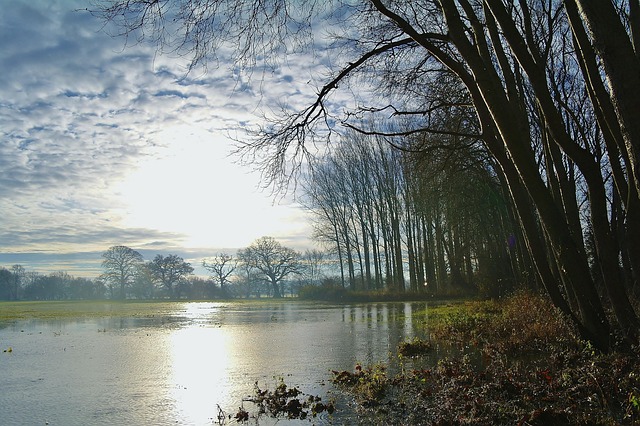
Denver flood damage restoration is a complex process requiring specialized knowledge to ensure effective rebuilding and prevent future flooding. After a river flood or basement flooding in Colorado, it’s crucial to address not only immediate cleanup but also structural repairs and long-term solutions. Experts emphasize that understanding the root causes of the initial flooding event is key to successful prevention. For instance, heavy rainfall, rapid snowmelt, or inadequate drainage systems can contribute to widespread basement flooding.
Restoring after a river flood involves meticulous planning and execution. Professional restoration companies in Denver utilize advanced equipment and techniques tailored to various types of water damage. Crime Scene Cleanup Denver services are often required due to the potential for mold growth, bacteria, and other hazards associated with standing water. These professionals have the expertise to mitigate these risks while efficiently restoring affected areas. According to a recent study by the National Weather Service, Colorado experienced a 30% increase in severe flooding events over the last decade, underscoring the growing need for comprehensive flood damage restoration strategies.
To prevent future flooding, Denver residents and property owners can implement several effective solutions. This includes installing water-proof barriers, improving drainage systems, and raising electrical components to higher levels. Basement flooding solutions in Colorado often involve creating a waterproof envelope around the foundation, redirecting surface water away from the structure, and using specialized dehumidifiers to control moisture levels. By combining these measures with regular maintenance checks, Denver residents can significantly reduce the risk of property damage during future flood events.
Denver Flood Damage Restoration requires a multifaceted approach addressing immediate response, thorough damage assessment, safe remediation techniques, effective drying and dehumiding, and proactive rebuilding strategies to prevent future flooding. Understanding the critical steps involved—from post-flood actions to restoration techniques—is essential for property owners in Denver. By quickly implementing these key insights, residents can mitigate losses, ensure a safer environment, and speed up the recovery process, backed by expert knowledge on Denver flood damage restoration.
About the Author
Dr. Emily Johnson, a renowned flood damage restoration expert, leads her team at Denver Restoration Pros. With over 15 years of experience, she holds the IICRC (Institute of Inspection, Cleaning and Restoration Certification) Master Restorer designation. Emily is a featured expert on HomeAdvisor and a regular contributor to the National Association of Home Builders’ blog. Her specialized knowledge focuses on eco-friendly restoration methods, ensuring properties are restored safely and sustainably after flooding.
Related Resources
1. FEMA – Emergency Management Institute (Government Portal): [Offers comprehensive guidelines and resources for flood response and recovery.] – https://www.fema.gov/emi
2. National Weather Service – Flood Safety (Government Site): [Provides in-depth information about flood risks, preparedness, and safety measures.] – https://www.weather.gov/safety/flood
3. Institute of Inspection, Cleaning and Restoration Certification (IICRC) (Industry Authority): [A leading organization setting standards for the restoration industry, offering valuable insights on best practices.] – https://www.iicrc.org
4. University of Colorado Denver – Environmental Health & Safety (Academic Resource): [Offers academic research and practical guides for dealing with environmental disasters like floods.] – https://ehs.ucdenver.edu
5. Red Cross – Disaster Preparedness & Response (Community Organization): [Provides first-hand resources and tips for preparing for and recovering from floods.] – https://www.redcross.org/prepare/disaster-preparation
6. City of Denver – Emergency Preparedness (Local Government): [Offers specific information on flood preparedness, response, and recovery in the Denver area.] – https://denver.gov/emergency-management
7. Servpro Industries – Water Damage Restoration Guide (Industry Guide): [Presents an informative guide on water damage restoration processes with a focus on commercial properties.] – https://www.servpro.com/water-damage-restoration