

Denver Flood Damage Restoration: A Comprehensive Approach
1. Initial Assessment: Professionals use advanced tools to measure water levels, analyze moisture, and identify affected areas, predicting long-term issues like mold growth.
2. Swift Action: Specialized equipment dries basements within 24-48 hours, addressing shallow and deep water. Monitor humidity below 60% to prevent issues.
3. Restoration & Cleaning: Thorough cleaning, decontamination with EPA-approved disinfectants, and repairs/replacements complete the process. Focus on kitchens, using advanced techniques for mold prevention.
4. Long-term Solutions: Enhance resilience with higher water barriers, improved drainage systems, and waterproof appliances. Reinforce doors and windows with impact-resistant materials for added protection.
Denver basement flood damage is a significant concern for homeowners, posing both immediate and long-term challenges. Rapid action is crucial to mitigate the severe consequences of water intrusion, from structural damage and mold growth to valuable possessions at risk. Denver Flood Damage Restoration specialists are equipped with the comprehensive solutions needed to tackle these complex issues effectively. This article delves into the step-by-step process, leveraging advanced techniques and cutting-edge technology to ensure not only the restoration but also the prevention of future basement flooding events.
- Assessing Denver Flood Damage: The First Step
- Efficient Restoration Techniques for Basement Floods
- Reconstructing: Long-Term Solutions After Denver Flood Damage Restoration
Assessing Denver Flood Damage: The First Step
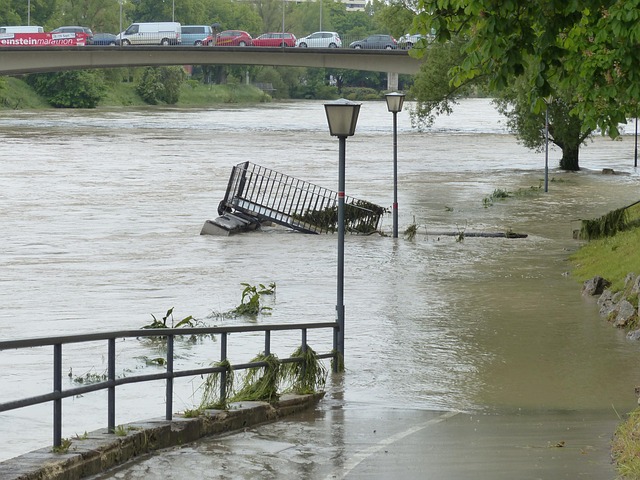
Assessing Denver Flood Damage: Unraveling the First Crucial Step in Flooded House Restoration Colorado
When a home in Denver faces flood damage, prompt and professional intervention is paramount to mitigate further losses and ensure a successful recovery process. The initial step in any flooded house restoration Colorado endeavor is a thorough assessment of the Denver flood damage. This critical phase involves meticulous inspection, data collection, and expert analysis to understand the full extent of the water intrusion and its impact on the property.
Professional Denver flood recovery specialists employ advanced tools and techniques during this assessment. They meticulously document water levels, analyze moisture content in walls and structures, and identify affected areas. This detailed approach ensures that every inch of the property is evaluated, providing an accurate picture of the Denver flood damage. For instance, using specialized equipment to measure moisture levels can help determine if a wall or flooring needs complete replacement rather than mere drying. Data-driven assessments also enable these specialists to predict potential long-term issues like mold growth or structural instability.
Furthermore, understanding the source and type of water is a pivotal aspect. Different sources—whether from heavy rains, burst pipes, or sewer backups—carry varying levels of contaminants. This information guides the selection of appropriate restoration methods. Professional water damage repair Denver experts, for example, may employ different techniques for cleaning and sanitizing if the water originated from a broken pipe compared to a flood with potential sewage contamination.
By combining meticulous assessment, data analysis, and expert insights, Denver flood damage restoration specialists can develop tailored plans. These strategies ensure that every element of the property receives the necessary attention, leading to a successful recovery and minimizing potential future damage.
Efficient Restoration Techniques for Basement Floods

Basement floods in Denver can cause significant damage, but efficient restoration techniques can minimize harm and expedite recovery. One of the key aspects of Denver flood damage restoration is swift action. The longer water sits, the greater the risk for mold growth, structural damage, and personal belongings loss. Professional Denver flood cleanup services understand this urgency and employ specialized equipment to dry out basements quickly, often within 24-48 hours. For instance, high-efficiency fans and dehumidifiers are used to remove moisture from every nook and cranny, including hard-to-reach areas like wall cavities and floor joists.
Homeowners should also be aware of the importance of proper water removal and drying methods. Shallow water can often be removed manually or with a wet/dry vacuum. However, deep flooding requires more specialized equipment, such as water extractors and injectors. Once the visible water is gone, it’s crucial to monitor humidity levels until they reach safe thresholds, typically below 60%. Professional Denver flood damage restoration companies use advanced moisture meters and humidity monitors to ensure every inch of the basement is dry enough to prevent long-term issues.
After drying, a thorough cleaning and decontamination become necessary. Water from floods can carry harmful bacteria, viruses, and other contaminants. Denver residential flood cleanup services employ disinfectants and antimicrobial treatments to eliminate these risks. This includes sanitizing surfaces, floors, and personal belongings that have been affected. For example, using EPA-approved disinfectants on hard surfaces and specialized cleaning methods for items like carpets and upholstery ensure a thorough job. Finally, repairing or replacing water-damaged materials is the last step in the Denver flood damage restoration process. This involves everything from fixing structural elements to reinstalling drywall and flooring.
Throughout this process, it’s crucial to choose a reputable Denver flood damage restoration company with extensive experience handling residential flooding solutions. Companies like these have access to advanced equipment and know-how to tackle complex situations effectively. They also adhere to industry standards and best practices, ensuring thorough, efficient, and professional restoration. By employing these comprehensive home flooding solutions, Denver residents can rest assured that their basements will be restored safely and thoroughly after a flood.
Reconstructing: Long-Term Solutions After Denver Flood Damage Restoration
After successfully addressing immediate Denver flood damage restoration needs, such as stopping water intrusion and removing standing water, the focus shifts to comprehensive reconstruction—a crucial step in ensuring long-term resilience against future floods. This phase involves strategic planning and expert interventions to restore not just the physical structures but also the emotional well-being of affected residents. A key area that demands meticulous attention is the kitchen, a hub of family life and often among the most damaged during heavy rain floods.
Flooded kitchen restoration tips begin with thorough drying and decontamination, addressing potential mold issues early on to prevent health hazards. Structural repairs, such as repairing or replacing water-damaged drywall and floors, are essential steps before reinstalling cabinets, countertops, and appliances. Professionals recommend using moisture meters to ensure all areas are dry to the touch and below recommended humidity levels to mitigate mold growth. In cases of severe smoke damage from fires sparked by floods, Denver residents should seek specialized Smoke Damage Restoration Denver services, which employ advanced techniques like air purification and odor removal to restore a safe, healthy kitchen environment.
Long-term solutions for Denver flood damage restoration involve enhancing resilience through smart design choices and infrastructure upgrades. This includes installing higher-rated water barriers, improving drainage systems around the home, and elevating essential appliances and fixtures. For example, replacing carpet with waterproof flooring options and utilizing waterproof paint can significantly reduce damage in future events. Moreover, reinforcing doors and windows with impact-resistant materials adds an extra layer of protection against breaking glass and flying debris during heavy storms. By integrating these measures into post-flood reconstruction, Denver residents can not only restore their homes but also enhance their safety and peace of mind.
The comprehensive guide to Denver flood damage restoration highlights a multi-step process for effective management and recovery. Key insights include the critical initial assessment of Denver flood damage to identify scope and severity, employing efficient restoration techniques tailored to basement floods, and focusing on long-term solutions during reconstruction. By following these steps, homeowners can ensure not only thorough repair but also enhanced resilience against future Denver flood events. This authoritative article equips readers with practical knowledge and actionable next steps for successful Denver flood damage restoration.