

Denver Flood Damage Restoration involves a systematic approach to mitigate water damage, including swift assessments, removal of standing water, meticulous drying, inspections, and repairs. Choose certified professionals for 24/7 emergency response, minimizing secondary damages like mold growth. Swift action within 48 hours reduces restoration costs and extent of damage, protecting investments and enabling smoother recovery. Understanding Denver flood damage restoration costs based on severity, home size, and required repairs is crucial; prevention through drainage measures is more cost-effective than post-damage repair.
In the dynamic city of Denver, sudden floods can disrupt lives and properties, underscoring the need for prompt and reliable emergency flood repair services. Denver Flood Damage Restoration has emerged as a critical component in mitigating risks and ensuring swift recovery. As time is paramount in such scenarios, choosing the right Denver emergency flood repair service can make all the difference. This article delves into identifying top-tier providers offering exceptional value, focusing on expertise, transparency, and customer satisfaction – key elements for effective Denver Flood Damage Restoration.
- Understanding Denver Flood Damage Restoration Process
- Choosing the Right Emergency Flood Repair Services in Denver
- Key Steps in Effective Denver Flood Damage Mitigation
- The Importance of Quick Response in Denver Flood Recovery
- Comprehensive Guide to Denver Flood Damage Restoration Cost
Understanding Denver Flood Damage Restoration Process
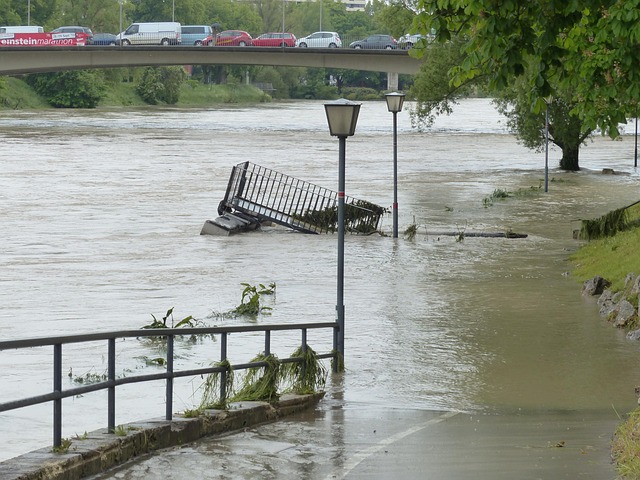
The Denver Flood Damage Restoration process involves a multi-step approach designed to mitigate water damage and restore homes and businesses to their pre-flood condition. Upon receiving a call for emergency services, ARC Restoration teams swiftly arrive at the scene, conducting initial assessments to identify the extent of the damage. This critical step is crucial as it guides the restoration strategy, ensuring every affected area receives tailored care. The process begins with the removal of standing water and wet materials, using advanced equipment to prevent mold growth and secondary damage.
Once dewatering is complete, skilled technicians begin the meticulous task of drying out the property, utilizing high-tech dehumidifiers and air movers. This phase is vital in preventing further deterioration and ensuring a healthier environment for when the structure is rebuilt. As water damage can lead to hidden issues like structural weaknesses or compromised electrical systems, ARC Restoration performs thorough inspections, documenting every detail for insurance purposes and to guide the rebuilding process.
The restoration doesn’t end with drying; it involves repairing or replacing damaged items, from drywall and flooring to fixtures. This meticulous work is carried out by experienced professionals who understand how to prevent flood damage in the future, offering advice on water barriers, improved drainage systems, and other solutions to fortify against potential deluges. ARC Restoration’s commitment to excellence in Water Damage Restoration Denver ensures not only the immediate repair of properties but also long-lasting protection for residents.
Choosing the Right Emergency Flood Repair Services in Denver

Choosing the right emergency flood repair services in Denver is a crucial decision, especially when your home or business has suffered water damage due to flooding. With numerous companies offering Denver flood damage restoration, it’s essential to select professionals who are equipped, experienced, and committed to effective basement flooding restoration. A professional water damage repair Denver service provider can make all the difference in the recovery process, ensuring your property is restored to its pre-flood condition efficiently and cost-effectively.
When evaluating potential providers for Denver flood damage restoration, consider their certifications, such as those from the Institute of Inspection, Cleaning and Restoration (IICRC). This industry standard ensures that the company adheres to proven methods for water damage restoration and mold remediation. Additionally, check if they offer 24/7 emergency response services, crucial for minimizing water intrusion and drying time, which can prevent costly secondary damages like mold growth. For instance, according to a study by the National Weather Service, over 50% of homes affected by flooding develop mold within months if proper restoration isn’t initiated promptly.
Another key aspect is their expertise in various types of flood damage scenarios. Some companies specialize in specific areas like basement flooding restoration guide, while others tackle all types of water damage. Ensure the provider has experience handling your particular situation, whether it’s due to heavy rainfall, burst pipes, or sewage backup. For example, a basement flood may require specialized equipment for drying and dehumidifying the space, along with expertise in restoring items saved from the flooding. By choosing a company adept at restoring homes after flooding, you can expect a more seamless and effective recovery process.
Key Steps in Effective Denver Flood Damage Mitigation

When facing a flood, swift action is crucial for effective Denver flood damage restoration. The first step involves containing and mitigating the water as soon as possible to prevent further damage. This includes shutting off the main water supply to avoid excessive water inflow and using barriers or sandbags to protect areas at risk. Quick response is key; according to industry data, immediate action within 48 hours can significantly reduce the scope of restoration needed for flooded basement Denver and other water-damaged areas.
Following initial containment, the focus shifts to drying out wood floors after flood. This process requires professional equipment like air movers and dehumidifiers to expedite evaporation and prevent mold growth. It’s important to note that not all materials can be saved; water-soaked items like carpets, padding, and certain fabrics may need to be discarded to avoid permanent damage. Proper drying techniques also extend to structural elements like walls and framing to ensure the stability of the property.
As the drying process unfolds, thorough cleaning and decontamination become paramount. Water damage restoration Denver experts employ advanced techniques to remove not just visible debris but also microscopic contaminants. This includes sanitizing surfaces, scrubbing affected areas, and using specialized equipment for deep cleaning. Regular monitoring of humidity levels and temperature ensures that every nook and cranny is thoroughly dried, reducing the risk of mold and mildew growth.
Throughout the Denver flood damage restoration process, communication and documentation are essential. Keep detailed records of damages, repair costs, and progress reports. These documents can be invaluable when filing insurance claims or seeking reimbursement for repairs like water damage restoration Denver residents may have incurred. Remember that a well-documented claim can streamline the recovery process, providing peace of mind during challenging times.
The Importance of Quick Response in Denver Flood Recovery

The swiftness of Denver flood recovery efforts can significantly impact the extent of damage and the financial burden on homeowners. When a flood strikes, time is of the essence, especially in a region like Colorado where heavy rainfall or rapid snowmelt can lead to unpredictable water surges. A quick response from Denver flood damage restoration experts is crucial for minimizing water damage, preventing mold growth, and restoring homes to their pre-loss condition.
Within hours of a flood event, professional services begin the assessment process, evaluating water levels, identifying sources, and assessing structural integrity. This immediate action is critical in stopping the clock on potential disasters. For instance, delayed response can lead to extensive wood damage, drywall deterioration, and even permanent warping of floors and ceilings. Moreover, water left unchecked fosters the rapid growth of mold, which poses health risks and further complicates restoration efforts.
Effective Denver emergency flood services prioritize quick deployment of specialized equipment like powerful pumps, dehumidifiers, and advanced drying technologies. These tools work in tandem to extract water, reduce humidity, and prevent the onset of secondary damages. For example, a study by the Insurance Institute for Business & Home Safety found that prompt action within 48 hours of flooding significantly reduces restoration costs and time. By acting swiftly, residents can protect their investments, preserve memories, and ensure a smoother transition back to normalcy in the aftermath of a Denver flood.
Comprehensive Guide to Denver Flood Damage Restoration Cost
When faced with flood damage in Denver, understanding the cost implications of Denver flood damage restoration is crucial. The process can vary greatly depending on several factors, including the severity of the flooding, the size and age of your home, and the extent of necessary repairs. According to a recent study by the Red Cross, average flood damage repair costs in Denver range from $20,000 to $50,000, with some extreme cases reaching over $100,000. This wide range underscores the importance of knowing what drives these costs and how to mitigate them through preventive measures.
Preventing flood damage is always more cost-effective than dealing with it afterward. Implementing simple steps like installing check valves on drains leading to your home, sealing basement walls against water seepage, and maintaining proper drainage systems can significantly reduce the risk of water intrusion. Homeowners in areas prone to flooding should also consider raising essential appliances and valuables off the ground and using waterproof barriers for doors and windows. Dealing with flood damage Denver homeowners often underestimate is the potential for secondary damages like mold growth, which can add substantial costs to restoration efforts.
When dealing with flood damage in Denver, prioritizing repairs involves assessing water intrusion points, removing saturated materials, and drying out affected areas thoroughly. This initial phase sets the stage for successful restoring home after flooding. Expert Denver flood damage restoration services employ advanced equipment to extract water and dehumidify spaces, minimizing structural damage and mitigating mold growth risks. These professionals also take care to preserve valuable items and personal belongings, providing a comprehensive approach tailored to each situation. By understanding these aspects of Denver flood damage restoration cost and proactive measures, homeowners can better prepare for potential flooding events and minimize the financial impact when they occur.
The comprehensive guide on Denver flood damage restoration offers valuable insights for both residents and businesses navigating this critical situation. By understanding the flooding process, choosing reputable emergency services, and taking proactive steps, individuals can mitigate damage and expedite recovery. The article highlights the crucial role of quick response in minimizing losses, while also providing a transparent overview of costs involved. Key takeaways include recognizing the importance of experience and specialized equipment in Denver flood restoration, and planning ahead to ensure a smoother, more effective recovery process. This authoritative piece equips readers with the knowledge to make informed decisions, ensuring their properties are restored to their best possible condition after a flooding event.