

Denver homeowners face significant flood risks due to diverse terrain and changing climate, with an average of 150 floods annually. Key preparation steps include proactive maintenance (check valves, drainage), regular inspections, emergency kits, and professional services for extensive water damage. Post-flood action focuses on safety, sewage cleanup, advanced drying technology, dehumidification, structural repairs, content cleaning, and odour removal within 24-48 hours to prevent mold and preserve property value through Denver Flood Damage Restoration.
The Denver metropolitan area has faced significant challenges from recent floods, underscoring the pressing need for effective flood prevention strategies among homeowners. As we navigate the aftermath of these devastating events, understanding Denver flood damage restoration techniques is crucial for safeguarding our properties and communities. This article delves into the expert tips and best practices designed to prevent future flood damage, offering invaluable insights for residents looking to protect their homes and investments in this prone region.
- Understanding Denver's Flood Risks: Preparation is Key
- Steps to Protect Your Home from Flooding: An Expert Guide
- Post-Flood Restoration: Denver Flood Damage Repair Strategies
Understanding Denver's Flood Risks: Preparation is Key

Denver, with its diverse terrain and changing climate, presents unique challenges for homeowners when it comes to flood risks. Understanding these hazards is paramount in preparing for and mitigating potential Denver flood damage restoration needs. According to the National Weather Service, Colorado experiences an average of 150 floods annually, underscoring the reality that every homeowner must be ready.
One of the city’s primary vulnerabilities lies in its proximity to the South Platte River and other water bodies. Heavy rainfall, snowmelt, and even high winds can quickly turn these areas into potent forces of nature. For instance, the 2013 floods that devastated parts of Denver and surrounding communities serve as a stark reminder of the potential scale of destruction. While comprehensive insurance coverage is essential, proactive measures significantly enhance resilience.
Prioritizing flood-ready home maintenance is key. This includes installing check valves in sewer lines to prevent backflow, ensuring proper drainage around the property, and reinforcing doors and windows against potential water pressure. Regularly inspecting and clearing gutters and downspouts further mitigates risks. Moreover, having a well-stocked emergency kit and a clear family communication plan are vital components of Denver flood damage restoration preparation. Professional carpet drying Denver services and fire damage restoration Denver specialists can be invaluable assets in the event of extensive water intrusion.
Steps to Protect Your Home from Flooding: An Expert Guide
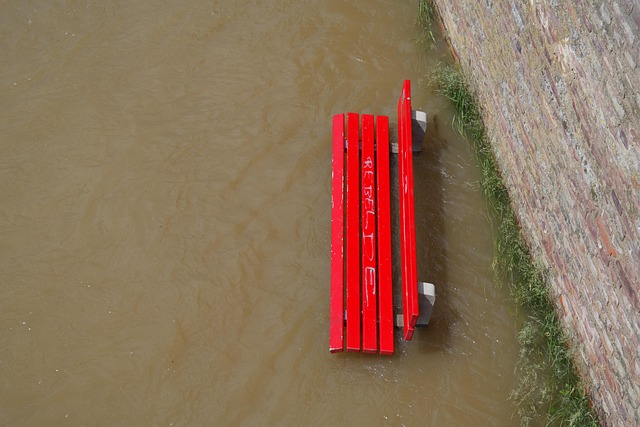
Protecting your home from flooding is a multifaceted effort requiring proactive measures and expert knowledge. In Denver, where unpredictable weather patterns can lead to severe flash floods, homeowners must be prepared. The first step in flood prevention is understanding the risks specific to your area; local meteorological data reveals peak flood seasons and common triggers like heavy rainfall and snowmelt. Regular maintenance, such as clearing gutters and downspouts of debris, ensures proper drainage, mitigating water accumulation around your property. Additionally, investing in waterproof barriers and sealing vulnerable areas like basements can significantly reduce the risk of Denver flood damage restoration.
In the event of a flood, quick action is crucial. Homeowners should prioritize safety first, evacuating immediately if necessary. Then, turn off electrical power to prevent shocks and fire hazards. Professional carpet drying Denver services are invaluable for mitigating water damage and preventing mold growth, which can severely impact indoor air quality. Advanced Restoration Colorado offers 24/7 emergency response, utilizing state-of-the-art equipment for efficient water extraction and drying. This specialized service not only helps restore your home to its pre-flood condition but also minimizes the risk of long-term structural damage and health hazards associated with standing water.
For comprehensive flood protection, consider a proactive approach. Regular inspections by professional restoration experts can identify potential weaknesses in your home’s defenses against flooding. These specialists can recommend tailored solutions, such as elevated electrical systems, improved drainage systems around the foundation, or advanced waterproofing materials for at-risk areas. By combining these expert tips with prompt action during and after a flood event, Denver homeowners can protect their investments from severe damage, ensuring peace of mind in even the most unpredictable weather conditions.
Post-Flood Restoration: Denver Flood Damage Repair Strategies

Post-flood restoration is a critical phase for Denver homeowners aiming to recover from devastating water damage. As experienced Denver flood recovery specialists note, immediate action is key to mitigating mold growth, preserving structural integrity, and reducing the emotional and financial toll of such events. The first 24 to 48 hours are particularly crucial—a period when professional intervention can prevent further complications.
Effective Denver flood damage restoration involves a multi-step process that begins with sewage cleanup Denver services to address contaminant risks. Professional teams equipped with specialized equipment and expertise safely remove standing water, treat affected areas with disinfectants, and extract moisture from hard-to-reach spaces. This meticulous approach is essential, as stagnant water not only fosters rapid mold growth but also attracts pests and poses health hazards for residents.
Beyond immediate cleanup, Denver flood recovery specialists emphasize the importance of thorough drying and dehumidification. Using advanced technology like air movers and dehumidifiers, they ensure every inch of the affected area is dried to prevent structural damage and minimize moisture-related issues. Proper restoration also includes structural repairs, content cleaning or replacement, and odour removal—a testament to the comprehensive nature of professional Denver flood damage restoration services. By following these expert strategies, homeowners can not only restore their properties but also protect their health and well-being in the aftermath of a flooding event.
By understanding Denver’s flood risks and taking proactive measures, homeowners can significantly mitigate potential damage. Implementing expert prevention tips, such as proper drainage systems, waterproof barriers, and elevated electrical components, is crucial for safeguarding properties. In the event of a flood, prompt evacuation and securing belongings are vital. Post-flood, Denver flood damage restoration requires professional cleaning, drying, and repair services to ensure safe and efficient recovery. This comprehensive approach equips homeowners with the knowledge to protect their investments, emphasizing the importance of preparedness and specialized restoration techniques for effective Denver flood damage restoration.