
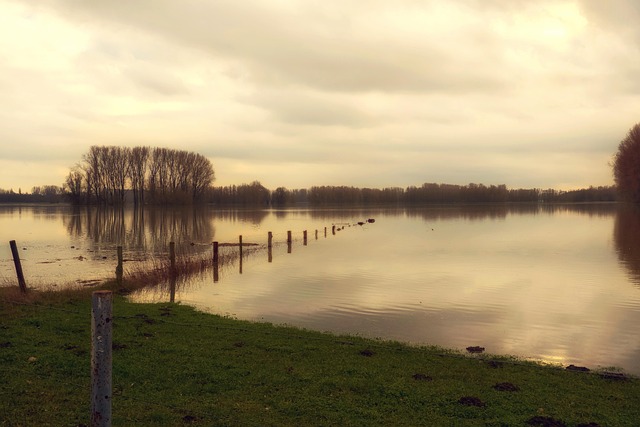
Denver Flood Damage Restoration: A Comprehensive Guide.
After a flood, immediate action is crucial. Document damage, protect valuables, and communicate with insurers promptly. Engage licensed professionals for expert restoration, especially for mold remediation. Choose contractors with IICRC certification, offering emergency response, water extraction, and advanced drying techniques. Technology aids assessment and restoration with drones, moisture meters, data analytics, and VR training. Proactive measures like raised flooring and check valves mitigate risks in commercial and residential properties. Collaborative efforts enhance Denver's resilience against flooding.
Denver Flood Damage Restoration: Navigating Insurance Claims Assistance
In the face of Denver’s unpredictable weather patterns, homeowners and businesses alike are increasingly vulnerable to severe flooding events. Efficient Denver flood damage restoration is not just about repairing physical structures; it involves a meticulous process that includes insurance claims assistance for financial relief. The complexity of filing claims can deter property owners from seeking necessary help, leaving their properties at risk of further damage or loss. Our authoritative guide offers comprehensive insights into the critical steps involved in Denver flood damage restoration and ensures policyholders receive the support they need to navigate insurance claims effectively.
- Understanding Denver Flood Damage Restoration Process
- Navigating Insurance Claims After a Flood in Denver
- Documenting and Protecting Your Property for Claims
- Selecting Reliable Denver Flood Damage Restoration Experts
- The Role of Technology in Post-Flood Restoration
- Mitigating Future Flood Risks: Denver's Best Practices
Understanding Denver Flood Damage Restoration Process
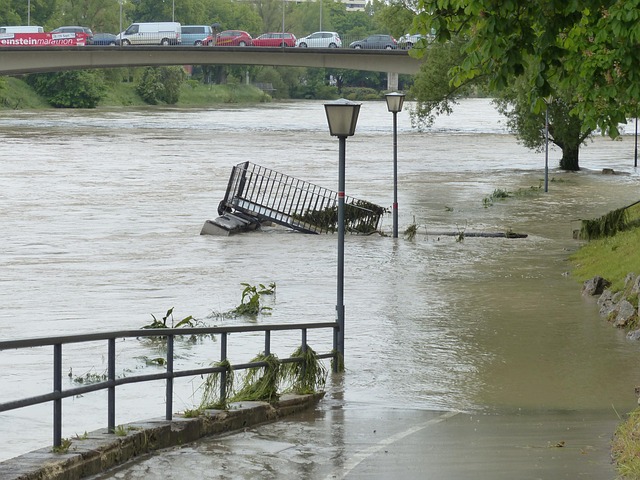
Denver flood damage restoration involves a meticulous process that requires the expertise of specialized professionals. When faced with water intrusion, understanding the steps involved in Denver flood cleanup is crucial for a successful recovery. The initial phase focuses on immediate safety and securing the premises to prevent further damage. This includes turning off electricity and removing valuables from affected areas. Once these critical measures are taken, the real work begins—assessing the extent of the damage. Denver flood cleanup experts will meticulously inspect every corner, identifying water-damaged items, structural integrity issues, and potential mold growth.
A key aspect of Denver flood damage restoration is drying out wood floors after a flood. Wood, being porous, absorbs water rapidly, making thorough drying essential to prevent rot and warping. Professional restoration companies employ advanced equipment like dehumidifiers and air movers to expedite this process. For example, ARC Restoration utilizes cutting-edge technology to ensure wooden surfaces are dried evenly and efficiently, minimizing the risk of long-term structural damage. The goal is not just to remove visible water but also to address the moisture content deep within the material.
As the restoration progresses, attention turns to decontaminating and disinfecting affected areas. This involves specialized cleaning techniques to remove organic growth and pollutants, ensuring a safe environment for occupants. After thorough cleaning, restorative work begins, which can include repairs, replacements, or remodeling. In some cases, such as severe flooding, complete reconstruction might be necessary. For instance, in 2021, Denver experienced record-breaking floods that prompted widespread restoration efforts. ARC Restoration was on the ground, providing expert assistance for residential and commercial properties, showcasing their dedication to restoring communities affected by these disasters.
Navigating Insurance Claims After a Flood in Denver

Navigating insurance claims after a flood in Denver can be a complex process, but with the right guidance, homeowners can ensure a smoother recovery. Denver Flood Damage Restoration experts emphasize that understanding your policy and documenting the damage thoroughly are key steps. Many policies cover flooding, but terms and conditions vary widely; reviewing your specific coverage and deductibles is essential before filing a claim. Advanced Restoration Colorado specialists recommend taking photos or videos of all affected areas to provide concrete evidence for your insurance company.
When it comes to flooded kitchen restoration tips, professionals suggest acting swiftly to minimize water damage and prevent mold growth. Mold Removal Denver services are crucial in mitigating health risks and restoring indoor air quality. According to recent data, over 50% of homes affected by flooding develop significant mold issues within a year if not properly remediated. To avoid this, it’s vital to dry out spaces quickly and thoroughly, removing any salvageable items that have been submerged for more than 48 hours.
Homeowners should file their insurance claims promptly, typically within a few days of the incident. Advanced Restoration Colorado advises keeping detailed records of repair estimates and communication with insurers. During the restoration process, ensure that all contractors involved are licensed and insured, especially when dealing with complex tasks like mold removal. By following these practical insights and staying informed about your rights as a policyholder, you can better navigate the insurance claims process, leading to more efficient Denver flood damage restoration.
Documenting and Protecting Your Property for Claims

In the aftermath of a Denver flood, whether it’s a flooded basement or extensive water damage throughout your property, proper documentation and protection are crucial steps in the Denver Flood Damage Restoration process. This initial phase sets the foundation for a successful insurance claim and ensures you receive adequate compensation for your losses. It is essential to act swiftly and meticulously, as immediate action can prevent further damage and mold growth, which may increase restoration costs.
Documenting your property involves taking detailed photos and videos of the affected areas. Start by capturing the overall view, then zoom in on specific items, structural elements, and personal belongings. This visual record serves as concrete evidence of the water intrusion, its extent, and the subsequent damage. For example, in a recent case of a flooded basement in Denver, the homeowner’s thorough documentation made it easier for Restoration Services Denver to assess and file an accurate claim, leading to a faster settlement. Additionally, keep records of all relevant communications, including conversations with insurance agents or adjusters, and any pre-loss evaluations or inspections.
Protecting your property during this period is equally vital. Remove valuable items from the affected areas and move them to a safe, dry location. For wood floors, it’s recommended to gently blot the water with clean towels and then use a professional drying system to prevent warping or rotting. In cases of severe water damage, removing drywall and insulation might be necessary to ensure a thorough dry-out process, which is crucial for effective mold prevention. Restoration Services Denver often provides these services, ensuring your home is not only restored but also safe from potential health hazards associated with floodwater.
Selecting Reliable Denver Flood Damage Restoration Experts

Selecting reliable Denver flood damage restoration experts is a crucial step in the recovery process after a flooding event. With water damage restoration costs in Denver ranging from $5,000 to $20,000 or more, depending on the severity and scope of the damage, it’s essential to choose professionals who are not only qualified but also committed to minimizing disruption and cost. Look for companies that specialize in both denver flood damage repair and denver flood insurance restoration, as these services often require a deep understanding of insurance claims processes and code compliance.
Reputable companies should offer a full range of services, including emergency response, water extraction, drying and dehumidification, and restoration of personal belongings and structures. Check for certifications from industry-recognized organizations such as the Institute of Inspection, Cleaning and Restoration Certification (IICRC). These credentials ensure that the technicians are trained in best practices and have demonstrated expertise in water damage restoration. Additionally, reviews and testimonials from past clients can provide valuable insights into a company’s reliability and customer service.
When evaluating costs for denver flood damage repair, be wary of low-ball offers or companies that pressure you to make quick decisions. Water damage restoration cost in Denver can vary based on the extent of the flooding, the type of property, and the level of damage. Reliable experts will provide detailed, itemized estimates that allow you to understand exactly what services are included and where your money is going. They should also discuss potential discounts or promotions available for prompt action or comprehensive insurance claims assistance, ensuring a smoother transition during this challenging time.
The Role of Technology in Post-Flood Restoration

The technological advancements in Denver flood damage restoration have revolutionized disaster cleanup and restoration processes, significantly enhancing efficiency and effectiveness in Water Damage Restoration Denver. With frequent extreme weather events, the city faces increasing challenges from flooding, necessitating sophisticated solutions for drying and repairing flooded spaces. Modern technology plays a pivotal role in navigating these complex scenarios, offering advanced tools and techniques to mitigate damage and accelerate recovery efforts.
For instance, remote sensing technologies like drones equipped with high-resolution cameras and LiDAR sensors provide aerial assessments of flood-affected areas, delivering detailed data on water levels, extent of damage, and accessibility. This real-time information aids in swift decision-making, prioritizing restoration tasks, and ensuring resources are allocated to the most critical areas. Additionally, advanced moisture meters and humidity sensors enable precise monitoring of moisture levels within structures, guiding professionals in identifying hidden water sources and determining appropriate drying strategies.
Another game-changer is the integration of data analytics and artificial intelligence (AI). These tools can process vast datasets from various sources—satellite imagery, weather reports, historical flood data—to predict flood patterns, assess risk, and optimize restoration protocols. AI algorithms can identify high-risk areas, helping residents and professionals prepare more effectively. Furthermore, virtual reality (VR) and augmented reality (AR) technologies offer immersive experiences for training and planning purposes, enabling restoration teams to simulate complex scenarios and practice specialized techniques, thereby enhancing their skills and readiness.
By embracing these technological innovations, Denver flood damage restoration services can provide faster, more comprehensive solutions, ensuring properties are restored to pre-flood conditions efficiently. This not only minimizes disruption and financial losses but also fosters a sense of security and resilience among residents facing these inevitable natural disasters.
Mitigating Future Flood Risks: Denver's Best Practices
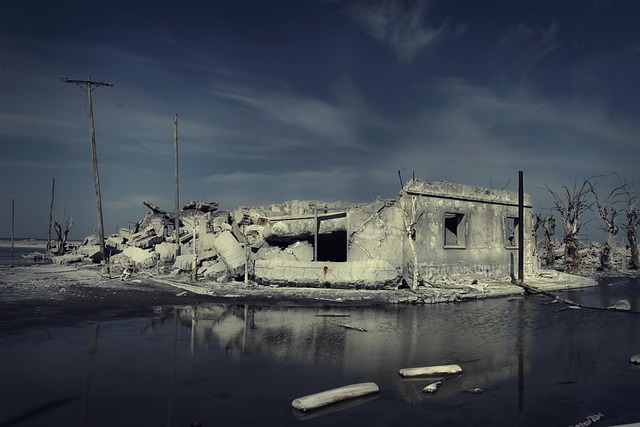
Denver, with its ever-changing climate and increasing frequency of extreme weather events, faces a unique challenge when it comes to flood damage restoration. Mitigating future risks is paramount for both residential and commercial properties. Denver Flood Damage Restoration experts emphasize proactive measures to ensure buildings are equipped to withstand potential deluges. This includes implementing robust water damage restoration Denver strategies that go beyond initial recovery.
For commercial spaces, a comprehensive plan should involve raising essential equipment and infrastructure. For instance, data centers and server rooms can be retrofitted with raised flooring and waterproof compartments to safeguard critical operations during flooding events. Similarly, home flooding solutions Denver residents adopt can range from installing check valves on drains to preventing water entry through strategic window and door sealing. These measures, when combined with timely insurance claims assistance, significantly reduce the financial burden of future floods.
Denver’s best practices in flood risk mitigation also encompass regular maintenance and upgrades to drainage systems and infrastructure. The city has invested in improving these networks, but property owners play a vital role in keeping them functional. This includes clearing debris from drains, ensuring proper water flow during heavy rains, and reporting any blockages or damage promptly. By fostering collaboration between residents, businesses, and local authorities, Denver can enhance its resilience against flooding, ensuring faster recovery times and minimizing the impact of future water damage restoration needs.
The comprehensive guide on Denver flood damage restoration has equipped readers with a deep understanding of the intricate process, from initial response to insurance claims assistance. Key takeaways include the importance of swift action, thorough documentation for insurance claims, selecting reliable experts, leveraging technology in restoration efforts, and implementing best practices to mitigate future risks. By navigating these aspects effectively, Denver residents can ensure their properties are restored to pre-flood conditions, minimizing disruption and financial burden. This authoritative article serves as a valuable resource, empowering folks to face the challenge of flood damage with confidence and informed decision-making.