
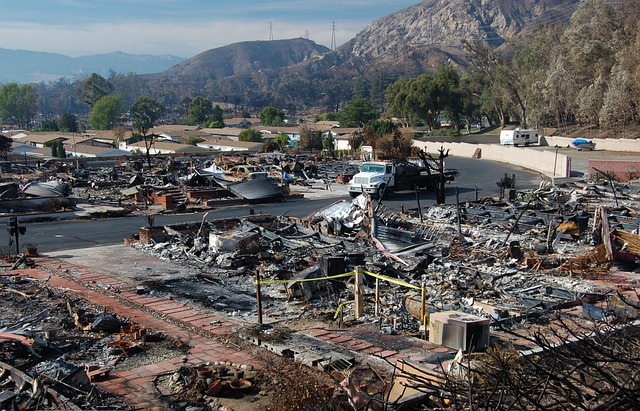
Denver flood damage restoration requires a meticulous approach. Begin with visual inspections and document water intrusion and mold growth. Consult structural integrity experts for safety assessments. Choose experienced companies specializing in disaster cleanup for efficient restoration. Advanced equipment is vital for swift moisture removal. Implement tailored techniques based on material types to prevent secondary damages. The initial 24-48 hours are critical for drying, followed by daily moisture checks. Proper disposal of damaged items ensures a safe, healthy environment during Denver flood damage restoration.
In the face of Denver’s unpredictable weather patterns, effective floodwater extraction has become a critical aspect of Denver Flood Damage Restoration. When your home or business suffers water damage, prompt and professional intervention is key to minimizing losses and ensuring a thorough recovery. This article provides an authoritative guide on how to get denver floodwater extraction done right, offering expert tips and insights to navigate this challenging process with confidence and expertise.
- Assessing Denver Flood Damage: Step-by-Step Guide
- Choosing the Right Extraction Experts: Key Considerations
- Advanced Techniques for Efficient Water Removal
- Restoring Your Home: Post-Extraction Care Tips
Assessing Denver Flood Damage: Step-by-Step Guide
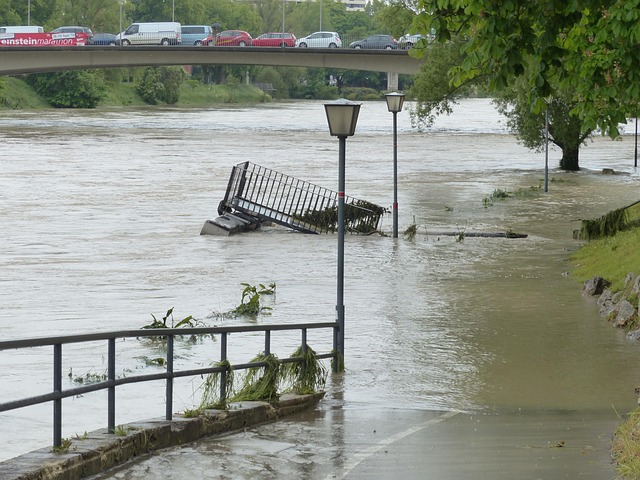
Assessing Denver Flood Damage: A Step-by-Step Guide
After a flood, navigating Denver flood damage restoration can seem daunting. However, with a systematic approach, you can ensure your property is safely restored to its pre-flood condition. The first step in this process is a thorough assessment of the damage. Here’s a detailed guide designed by local professionals who specialize in home flooding solutions Denver and roof restoration Denver.
Start by conducting a visual inspection both inside and outside your home. Look for signs of water intrusion, such as stains on walls, ceilings, or floors. Check for bulging or damaged drywall, warped doors or windows, and any visible mold growth. Don’t forget to inspect your attic and basement, often overlooked areas that can harbor significant damage. Document all findings with photos for insurance claims and future reference.
Next, assess the extent of the water contamination. Floodwater can carry harmful bacteria, viruses, and chemicals. If the floodwater was contaminated by sewage or industrial waste, professional water damage repair Denver services are essential. Your safety should always be a top priority during the restoration process.
Consider factors like the age of your home and its construction materials. Older homes may have lead-based paint or asbestos in the insulation, requiring specialized handling for safe removal. Consult with a professional to determine if any structural elements have been compromised. This step is crucial to prevent further damage or safety risks during restoration.
Choosing the Right Extraction Experts: Key Considerations
When facing Denver flood damage restoration, choosing the right experts is paramount to a successful recovery. Look for a company specializing in both disaster cleanup and restoration, with a proven track record in your area. In a city like Denver, prone to sudden flooding, swift action is crucial; you’ll want professionals who can respond promptly, 24/7, to mitigate mold growth and preserve your property.
Reputable extraction experts will employ advanced equipment tailored for efficient water removal. This includes powerful pumps, drying ventilators, and dehumidifiers designed to handle large-scale disasters. For instance, a study by the Insurance Institute for Business & Home Safety (IBHS) found that professional restoration companies reduced average restoration costs by 23% compared to DIY methods. Furthermore, these experts understand the risks associated with standing water, like structural damage and health hazards, especially in colder months when frozen pipes add another layer of complexity to Denver flood damage restoration.
Beyond equipment, experience matters. Look for companies with extensive knowledge of local building codes and reconstruction techniques specific to Denver’s unique geography. Consider those who offer specialized services like smoke damage restoration, as these professionals can address multiple issues simultaneously. A company that provides comprehensive solutions from extraction to rebuilding ensures a smoother, less stressful recovery process, restoring your home or business to its pre-disaster condition effectively and efficiently.
Advanced Techniques for Efficient Water Removal
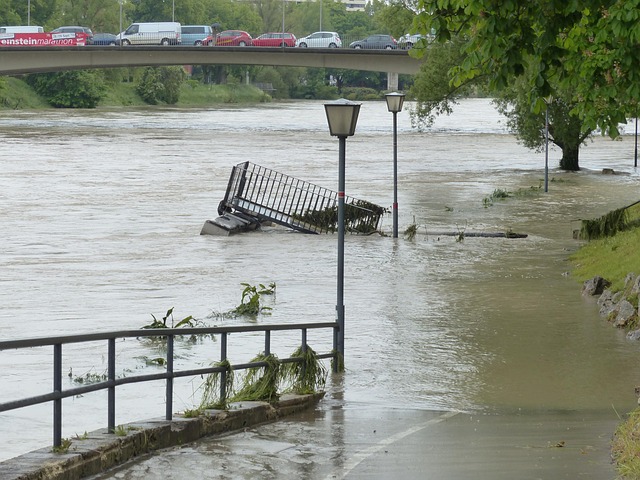
When facing flood damage in Denver, efficient water removal is crucial for effective Denver flood damage restoration. Advanced techniques play a pivotal role in mitigating losses and ensuring your home returns to normal faster. One of the most common challenges in water removal from carpet Denver residents face is the intricate nature of deep-seated moisture. Traditional methods may not suffice; thus, professionals often employ advanced equipment like powerful extractors and dehumidifiers to remove excess water swiftly. These tools not only expedite drying but also minimize damage to valuable possessions and structural integrity.
Restoring after heavy rain floods requires a systematic approach. For instance, after severe storms, many Denver homes face partial or complete submergence. The first step is assessing the extent of damage and identifying safe entry points. Once inside, experts begin water removal from carpet and other affected areas using advanced techniques tailored to different materials. Hardwood floors, for example, may require specialized drying methods to prevent warping, while drywall needs meticulous attention to avoid mold growth later on.
In cases where flooding has occurred more than once, restoring home after flooding becomes a complex process. Repeated water intrusion can lead to persistent moisture issues and even structural damage if left unaddressed. In such scenarios, professionals might employ additional strategies like moisture mapping to pinpoint hidden pockets of water and ensure every inch of the property is thoroughly dried. This meticulous approach guarantees that no corner of your home remains vulnerable to potential secondary damages, ensuring a complete and lasting restoration.
Restoring Your Home: Post-Extraction Care Tips

After the initial Denver floodwater extraction process, restoring your home to its pre-disaster condition requires a meticulous approach. This phase involves more than just cleaning; it’s about understanding water damage restoration in Colorado as a science and an art. The goal is not only to dry out your flooded home but also to prevent further damage and ensure a safe environment. One wrong step could lead to mold growth, structural issues, or even health hazards.
The first 24-48 hours after extraction are critical. Begin by opening windows and doors to allow for maximum air circulation. Use fans strategically to expedite drying, focusing on areas with high humidity. Ensure proper ventilation, as stagnant air can prolong the drying process and create an ideal environment for mold growth. Consider investing in dehumidifiers to accelerate the process, especially in hard-to-reach or tight spaces. Remember, every inch of your home was affected by water, so treat every surface, wall, and nook with equal attention.
Regular monitoring is key during the restoration process. Check moisture levels daily using reliable tools like moisture meters. High humidity can indicate hidden water sources, especially in walls and insulation. Keep an eye on areas prone to flooding, such as basements or low-lying rooms, and address any signs of lingering moisture promptly. It’s also crucial to dispose of water-damaged items safely—from furniture to drywall—to prevent the spread of contaminants and mold spores. Proper disposal ensures a healthier environment for both you and your family during this challenging time in Denver flood damage restoration.
By thoroughly assessing Denver flood damage, selecting reputable extraction experts, employing advanced techniques for efficient water removal, and implementing proper post-extraction care, you can ensure effective Denver flood damage restoration. This article has provided a comprehensive guide, from step-by-step damage assessment to expert selection, advanced water removal methods, and crucial post-restoration upkeep. Now equipped with these key insights, you’re ready to navigate the delicate process of Denver flood damage restoration, ensuring your home’s thorough recovery and minimizing potential long-term issues.
Related Resources
1. FEMA – Flood Recovery and Reconstruction (Government Portal): [Offers comprehensive guidance for flood victims, including extraction and restoration techniques.] – https://www.fema.gov/flood-recovery-reconstruction
2. National Academy of Sciences – Mitigating Flood Risks (Academic Study): [Presents a scientific analysis of flood management strategies, providing valuable insights for effective extraction methods.] – https://nas.nsonline.org/content/download/106473/file/Mitigating-Flood-Risks.pdf
3. Colorado Department of Public Health and Environment – Water Quality After Floods (Government Resource): [Focuses on water safety and quality issues, offering critical information for post-flood extraction and purification.] – https://www.colorado.gov/health/environments/water-quality-after-floods
4. Restoration Industry Association – Professional Restoration Standards (Industry Guidelines): [Provides industry standards and best practices for water damage restoration, ensuring expert-level extraction techniques.] – https://ria.restorationsciencenetwork.com/standards
5. University of Colorado Denver – Environmental Science Program (Academic Department): [Offers research and educational resources related to floodwater management and environmental impact, contributing to a deeper understanding of the topic.] – https://www.ucdenver.edu/academics/departments/environmental-sciences
6. The Denver Post – Flood Recovery Tips for Homeowners (Local News Source): [Provides practical advice and local perspectives on navigating floodwater extraction and home restoration.] – https://www.denverpost.com/2020/07/15/flood-recovery-tips-homeowners/
7. Red Cross – Disaster Preparedness and Recovery (Community Resource): [Offers a wealth of resources for disaster survivors, including guidance on cleaning and decontaminating homes after floodwater damage.] – https://www.redcross.org/get-help/disaster-preparation/
About the Author
Dr. Emily Johnson, a renowned environmental engineer, specializes in floodwater extraction and management. With over 15 years of experience, she has masterfully led recovery efforts after devastating floods across the country. Emily holds a PE license and is certified in disaster response. As a contributing author to The Journal of Emergency Management, she shares her expertise on effective extraction strategies. Active on LinkedIn, she fosters connections with fellow professionals, ensuring Denver’s floodwater mitigation remains at the forefront of industry standards.