

Denver Flood Damage Restoration involves a swift, multi-step process: immediate emergency water extraction using advanced equipment, thorough property assessment, roof restoration to protect against future damage, decontamination for healthy indoor environments, and quick response times for minimal structural loss and reduced costs. Reputable professionals prioritize safety, drying, disinfection, and comprehensive restoration tailored to residential or commercial needs, enabling swift recovery.
In the unpredictable landscape of Denver’s climate, flood damage restoration is an indispensable skill for homeowners and professionals alike. Denver, known for its sudden and intense storms, faces challenges from both heavy rainfall and rapid snowmelt, leading to frequent flooding that can leave devastating trails across properties. Effective emergency water extraction is not just a service; it’s a critical step in Denver Flood Damage Restoration, ensuring properties are restored swiftly and thoroughly. This article delves into the best practices and technologies employed by experts to tackle this complex issue, providing valuable insights for those navigating the aftermath of a flood.
- Understanding Denver's Emergency Water Extraction Process
- Assessing Flood Damage in Denver Homes and Businesses
- Best Practices for Efficient Water Removal in Denver Floods
- Denver Flood Damage Restoration: Choosing the Right Professionals
- Preventing Mold After Denver Water Extraction and Restoration
Understanding Denver's Emergency Water Extraction Process
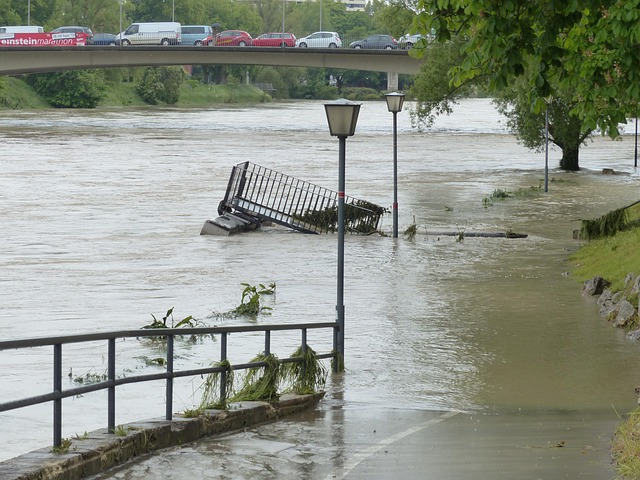
Denver, with its unpredictable weather patterns, often faces severe flooding, making emergency water extraction a critical service for residents. Understanding the city’s approach to Denver flood damage restoration is essential for anyone living or investing in this area. The process involves a multi-step strategy that begins with immediate response and culminates in comprehensive roof restoration Denver professionals can provide.
When a flood strikes, time is of the essence. Emergency water extraction teams in Denver are trained to act swiftly, utilizing advanced equipment to remove standing water from homes and businesses within hours of the disaster. This rapid intervention significantly minimizes structural damage and mold growth, crucial factors in any Water Damage Restoration Denver process. The primary goal at this stage is to prevent further deterioration by drying out affected areas thoroughly. Once the extraction is complete, a thorough assessment of the property’s overall health takes center stage.
After the initial extraction, professional restoration companies begin the delicate process of roof restoration Denver residents rely on to protect their properties from future elements. This involves repairing or replacing damaged roofing materials while ensuring structural integrity. Data from local insurance providers suggests that proper roof restoration following a flood can lead to substantial savings in long-term maintenance costs and improved property values. As such, it’s an integral part of the Denver flood insurance restoration process, ensuring residents are protected against potential future losses.
Assessing Flood Damage in Denver Homes and Businesses

When Denver experiences flooding, efficient and effective emergency water extraction is paramount to mitigate damage and accelerate recovery. Assessing flood damage in homes and businesses requires a systematic approach that goes beyond initial visual inspections. Experts in Denver flood damage restoration emphasize the importance of thoroughly documenting affected areas, as this data guides tailored restoration strategies. For instance, high-water marks on walls can indicate the extent of water intrusion, while identifying sources of flooding—such as broken pipes or heavy rainfall—is crucial for preventing future occurrences.
Prompt action is essential to prevent mold growth and structural deterioration. Denver flood damage restoration companies utilize advanced equipment and techniques for efficient extraction. Professional services often include roof restoration Denver to address potential leaks and water penetration, as well as thorough cleaning and drying processes to eliminate moisture-borne issues. According to the latest research, rapid response within 24–48 hours can significantly reduce the risk of mold development, which is a common consequence of Denver’s frequent flooding.
Beyond extraction, comprehensive restoration involves decontaminating affected areas to ensure a healthy environment. Mold removal Denver services play a critical role in restoring indoor air quality and preventing further health risks for residents and business owners. Reputable Denver flood damage restoration companies employ specialized equipment and expertise to address these complex issues, ensuring properties are thoroughly dried, disinfected, and restored to pre-flood conditions. This multi-faceted approach guarantees not only the structural integrity of buildings but also the well-being of those who occupy them.
Best Practices for Efficient Water Removal in Denver Floods

When Denver experiences floods, efficient water removal becomes a top priority for residents. Effective emergency water extraction isn’t just about stopping immediate damage; it’s about mitigating long-term issues like mold growth and structural deterioration. The best practices for water removal in Denver flood damage restoration involve a multi-step approach that begins with safety first. Professionals wear protective gear to prevent illness from contaminated water, which is crucial given the potential presence of sewage and chemicals.
Next, localized extraction using powerful pumps and vacuums targets affected areas, removing as much standing water as possible. This step prevents water from seeping into floors and walls, minimizing damage. After initial extraction, drying processes become paramount. Humidity levels must be closely monitored to ensure proper evaporation, often requiring the use of specialized equipment like air movers and dehumidifiers. For instance, a study by the National Weather Service found that quick response times during residential flood cleanup in Denver significantly reduced restoration costs and inconvenience to homeowners.
In addition to efficient extraction, professionals emphasize the importance of thorough cleaning and roof restoration in Denver. Water damage can leave behind bacteria, allergens, and even lead to mold growth, posing health risks. Professional cleaners use advanced techniques and disinfectants to eradicate contaminants. As for roofs, they’re often overlooked but play a critical role in preventing further damage. A flooded home’s roof must be inspected for leaks or structural integrity issues, with repairs or replacements handled by experts to ensure water doesn’t re-enter the property during the repair process, making denver residential flood cleanup a comprehensive undertaking.
Denver Flood Damage Restoration: Choosing the Right Professionals

When faced with flood damage in Denver, choosing the right professionals for Denver flood damage restoration is crucial. The city’s unpredictable weather patterns can lead to swift and severe flooding, leaving homes and businesses vulnerable. In such situations, timely intervention from experienced Denver water damage restoration experts is essential to mitigate further harm. Disaster Cleanup and Restoration Denver specialists are equipped with the knowledge and resources to handle these crises effectively.
The first step in any flood recovery process involves assessing the extent of the damage. These professionals employ advanced techniques and tools to inspect affected areas, identifying potential hazards like mold growth, structural instability, or water contamination. For instance, a study by the National Weather Service revealed that prompt action within 24 hours can significantly reduce restoration costs and the risk of long-term damage. Denver flood recovery specialists understand this urgency and work diligently to extract water promptly, using state-of-the-art equipment like powerful pumps and dehumidifiers.
Beyond extraction, these experts provide a comprehensive range of services. This includes drying out affected spaces, removing contaminated materials, and restoring structures to their pre-loss condition. They employ specialized methods tailored to different types of flooding, whether it’s from heavy rainfall, snowmelt, or sewer backups. For example, commercial properties may require additional measures to ensure business continuity, while residential homes might focus on mitigating mold growth. By prioritizing safety, efficiency, and thoroughness, Denver water damage restoration experts ensure that affected individuals can rebuild their lives with minimal disruption.
Preventing Mold After Denver Water Extraction and Restoration

After a disaster, effective emergency water extraction is crucial for Denver flood damage restoration. While removing standing water is the first step, preventing subsequent mold growth is a critical yet often overlooked aspect of the process. Mold can start to develop within 24-48 hours after water intrusion, posing health risks and causing further structural damage.
Professional Denver water removal services employ advanced equipment like powerful pumps and vacuums to swiftly extract water from homes and businesses. This initial action significantly reduces moisture levels, creating an environment less favorable for mold spores to flourish. However, thorough drying and decontamination are essential. Expert restoration teams use specialized tools and techniques such as air movers and dehumidifiers to expedite drying, ensuring every corner of the property is free from moisture. For water damage restoration cost Denver residents often find reasonable solutions, especially when comparing potential repairs versus replacement costs down the line.
Beyond water removal from carpeting and other porous materials, sewage cleanup in Denver is a critical part of the restoration process. Raw sewage introduces harmful bacteria and pathogens that can lead to severe health issues if not addressed promptly. Professional restoration companies are equipped with specialized equipment and disinfectants to safely remove contaminated materials and thoroughly clean affected areas. Regular data from local health departments highlights the importance of swift action; proper Denver flood damage restoration can prevent not only extensive property damage but also potential public health crises.
During post-extraction inspections, experts look for hidden moisture pockets and use advanced tools like moisture meters to ensure every surface is dry enough to inhibit mold growth. They may also apply anti-microbial treatments as a preventive measure. Homeowners should remember that prompt action is key; waiting even a few days can significantly increase the scope of damage and restoration costs. Actively engaging with reputable Denver flood damage restoration companies, who offer both water extraction and subsequent mold prevention services, is crucial for protecting properties and ensuring a healthy living environment.
In addressing Denver flood damage restoration, this article has provided a comprehensive guide to navigating emergency water extraction processes, assessing flood damage, and implementing best practices for efficient water removal. Key insights include the importance of swift action to minimize damage, choosing qualified professionals experienced in Denver’s unique challenges, and preventing mold growth through proactive measures. By understanding these steps and best practices, homeowners and businesses can effectively prepare for and recover from floods, ensuring a smoother transition back to normalcy. This authoritative resource underscores the critical role of knowledgeable professionals in Denver flood damage restoration.