

Denver Flood Damage Restoration involves a multi-step process: initial containment, structural drying with advanced equipment, cleaning/sanitization, and tailored commercial solutions. Quick response times (within 24-48 hours) are crucial to minimize secondary damage like mold growth. Specialized equipment dries properties swiftly, preventing structural issues. Preventative measures like sealing crawl spaces reduce future flooding risk. After initial cleanup, consider specialized services for smoke and mold damage restoration. Reputable Denver flood cleanup companies offer comprehensive solutions, ensuring safe, structurally sound homes post-disaster.
In the bustling city of Denver, where the landscape is as diverse as its communities, the potential for flash floods and water damage looms large. When these unexpected events strike, swift action is crucial for minimizing Denver flood damage restoration challenges. Timely intervention can prevent extensive repairs and costly replacements. This article delves into the critical role of Denver’s top-rated flood cleanup services, known for their lightning-fast response times. We explore how these professionals not only alleviate immediate crises but also orchestrate meticulous restoration processes, ensuring homes and businesses in the vibrant city of Denver return to normalcy swiftly.
- Understanding Denver Flood Damage Restoration Process
- Quick Turnaround Times: Key to Efficient Cleanup
- Top-Rated Denver Flood Cleanup Services Compared
- Specialized Equipment for Effective Flood Damage Repair
- Comprehensive Guide: Denver Flood Recovery Steps
Understanding Denver Flood Damage Restoration Process
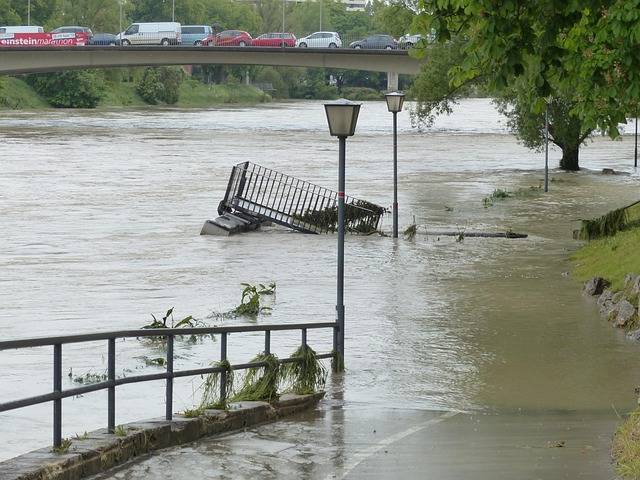
The Denver Flood Damage Restoration process demands a systematic approach to ensure proper care and preservation of affected areas. Upon initial assessment, professionals begin by containing the floodwater to prevent further damage. This crucial step involves setting up barriers and extracting water from homes or commercial spaces using advanced equipment like pumps and vacuums. Once the immediate threat is mitigated, the real work begins—drying out wood floors after a flood. Natural materials are particularly susceptible to moisture damage, requiring specialized drying techniques to avoid warping or permanent degradation.
Restoring after a river flood necessitates a multi-phased strategy. The first phase focuses on structural dryness, ensuring walls, ceilings, and foundations are free from water. This involves meticulous monitoring using hygrometers and dehumidifiers to maintain optimal humidity levels. Subsequent steps include cleaning and sanitizing affected areas to prevent mold growth, which can significantly impact air quality and health. Professionals use eco-friendly cleaning solutions tailored to different surfaces, addressing both visible contamination and hidden pockets of moisture.
In commercial settings, Denver Flood Damage Restoration services adapt to meet the unique needs of businesses. Large-scale operations often involve advanced equipment for quick turnaround times, minimizing disruption to daily operations. For instance, large fans and dehumidifiers can be deployed to expedite drying processes in vast warehouses or office spaces. Additionally, professionals may recommend temporary solutions like temporary flooring or wall coverings to maintain aesthetics and functionality while thorough restoration is ongoing. Restoring commercial properties promptly not only reduces downtime but also helps preserve business reputation and financial stability.
Quick Turnaround Times: Key to Efficient Cleanup
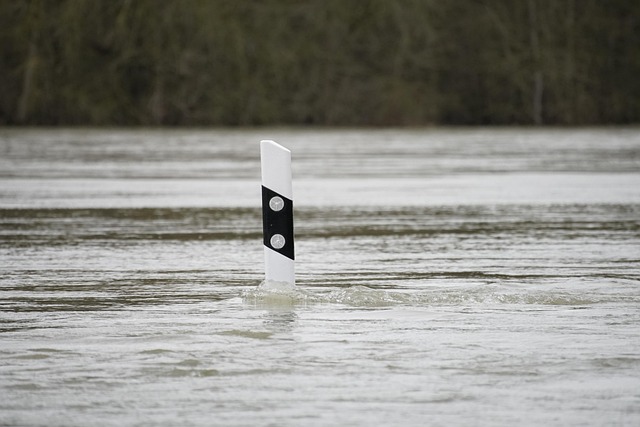
In the event of a flood, quick turnaround times are critical for effective Denver flood damage restoration. The faster a professional service arrives on site, the less damage occurs, saving you time and money in the long run. Home flooding solutions in Denver require swift action to mitigate secondary issues like mold growth, which can significantly increase water damage restoration costs. A study by the Insurance Institute for Business & Home Safety (IBHS) found that prompt cleanup and restoration after a flood can reduce the risk of costly secondary damages by up to 80%.
Smoke damage restoration in Denver is another key component often required following a flood, especially if there was a fire or significant smoke intrusion. Water damage restoration cost in Denver varies depending on the extent of the damage but generally ranges from $5,000 to $20,000 for residential properties. Efficient cleanup and repair can not only help minimize these costs but also ensure your home is restored to its pre-loss condition faster.
Choosing a service with a proven track record in quick turnaround times is essential. Look for companies that offer 24/7 emergency response and have the resources to mobilize quickly. Some providers may even utilize advanced equipment like specialized drying technology and moisture sensors to expedite the process. Remember, during emergencies, every hour counts. Working with professionals who prioritize swift action can make a significant difference in your recovery experience.
Top-Rated Denver Flood Cleanup Services Compared
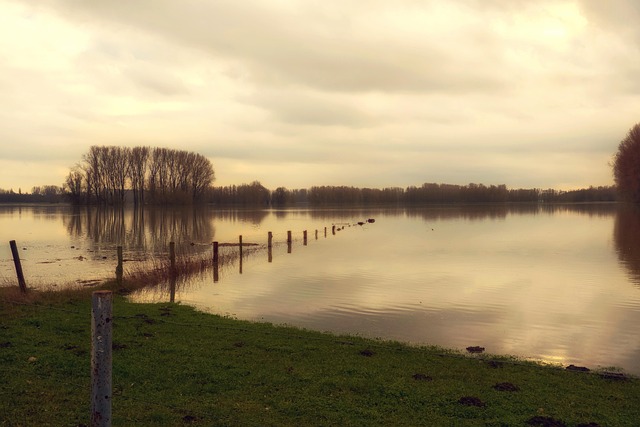
When facing Denver flood damage restoration, swift action is crucial to mitigate risks and costs. Among the many factors to consider, turnaround time stands out as a critical aspect, especially in emergency situations like flooded basements in Denver. This section delves into the top-rated Denver flood cleanup services known for their quick response times, offering residents peace of mind during challenging times.
Top-tier Denver flood cleanup specialists prioritize efficiency and effectiveness, employing advanced equipment and proven methods to dry out wood floors after a flood promptly. For instance, professional grade air movers and dehumidifiers can significantly accelerate the drying process, preventing mold growth and structural damage. According to industry standards, proper drying should occur within 48 hours to avoid extensive water damage, making these services invaluable for timely intervention.
Beyond swift cleanup, these experts provide comprehensive solutions tailored to various flood scenarios, including fire damage restoration Denver. They understand that flooding often compounds existing hazards, necessitating expertise in both water removal and smoke odor elimination. By combining cutting-edge technology with experienced personnel, they ensure not only the immediate safety of homes but also their long-term protection against secondary damages.
Choosing a service known for quick turnaround times offers tangible benefits like reduced insurance claims costs and minimized disruption to daily life. As these specialists work efficiently, residents can focus on rebuilding, ensuring that their Denver home returns to its pre-flood condition faster than ever before.
Specialized Equipment for Effective Flood Damage Repair

When it comes to Denver flood damage restoration, quick turnaround time is crucial for minimizing disruption and preventing secondary damage. Specialized equipment plays a critical role in this process, enabling experts to efficiently dry out a flooded home and mitigate mold growth. Tools like industrial dehumidifiers, powerful water extractors, and air movers work in tandem to rapidly remove moisture from every nook and cranny, from walls and ceilings down to the subfloor. These advanced machines not only speed up the restoration process but also ensure deeper drying than traditional methods, preventing the need for repeated treatments.
For instance, consider a severe storm that leaves your Denver home submerged under several inches of water. Traditional cleaning methods might leave residual moisture behind, leading to mold growth and structural deterioration over time. However, Denver flood cleanup experts equipped with specialized equipment can quickly extract standing water and dry out the property within days. This swift action not only saves precious belongings but also safeguards your health by eliminating mold spores that can trigger respiratory issues.
Furthermore, understanding how to prevent flood damage in the first place is an essential aspect of Denver flood cleanup. Implementing measures like sealing crawl spaces, installing check valves on sewer lines, and keeping gutters clean can significantly reduce the risk of future flooding. Regular inspections and proactive maintenance are key to identifying vulnerabilities before they become catastrophic. By combining advanced technology with preventative strategies, Denver flood damage restoration professionals offer a comprehensive solution for both immediate recovery and long-term protection.
Comprehensive Guide: Denver Flood Recovery Steps

The Denver area’s unpredictable weather patterns can lead to severe flooding, leaving homes and properties in disarray. When facing such disasters, swift action is crucial for minimizing damage and ensuring a smoother recovery process. This comprehensive guide outlines the essential steps for Denver flood damage restoration, with a particular focus on efficient turnaround times.
The initial 24-48 hours post-flood are critical. First, ensure everyone’s safety by evacuating to higher ground if necessary. Then, call in professional Denver flood cleanup services. These experts will assess the situation, wearing appropriate protective gear due to potential hazards like contaminated water and mold growth. They’ll begin extraction of standing water, using advanced equipment to dry out the property quickly and efficiently. This rapid response is key to preventing long-term issues such as structural damage or hazardous mold development, common in Denver’s climate.
Once the initial cleanup is complete, specialized services for smoke damage restoration Denver and mold removal Denver should be considered. Smoke from flooded homes can leave behind toxic residues, requiring professional cleaning to ensure a safe environment. Similarly, mold thrives in damp conditions, so prompt action is vital to avoid extensive mold growth that could necessitate costly remediation. A reputable Denver flood cleanup company will offer these services or provide referrals to specialists, ensuring your home is thoroughly restored. This multi-faceted approach guarantees that the Denver flood recovery process is handled effectively, leaving homes not just clean but also safe and structurally sound.
The comprehensive guide on Denver flood damage restoration highlights the critical role of quick turnaround times in effective cleanup processes. By comparing top-rated services and understanding specialized equipment, homeowners can make informed decisions when facing Denver’s unpredictable weather events. The article equips readers with valuable knowledge about the city’s unique flooding challenges and offers a practical step-by-step guide for flood recovery. Key insights include the importance of swift action, advanced technology in damage restoration, and a structured approach to ensuring a successful Denver flood damage restoration process.